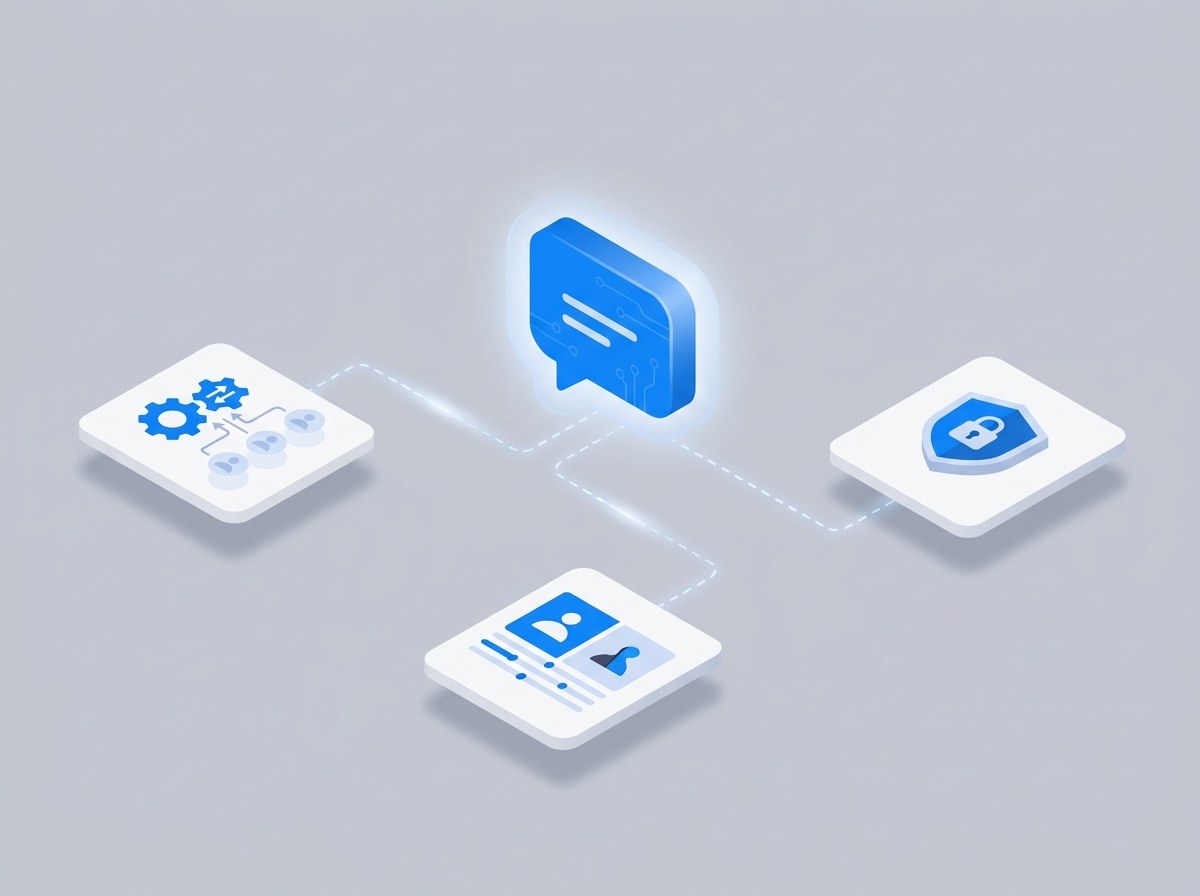
Key Takeaways
- A marketplace lead is a sold contact. The same homeowner typically goes to three to six firms at once, and you pay whether you win or not.
- An AI answer is a shortlist. ChatGPT, Perplexity or a Google AI Overview usually name two or three businesses, and nobody bought the slot.
- Intent is different. Marketplace buyers are still shopping. AI search buyers already had the who should I call conversation and got an answer.
- The verification test is the same either way: ask every caller how they found you, and write the answer down.
- These run side by side. Keep the marketplace spend that pays for itself, and add the channel that doesn't resell your buyer.
An owner asked me this on a call last month. He runs a restoration company and buys shared leads. His question was blunt: is an AI lead actually different, or is it the same contact with a better story wrapped around it?
Fair question. The difference isn't quality in the abstract. It's who else got the same phone number, what the buyer did before they dialled, and whether you can check any of it yourself.
Side by Side Comparison
| Signal | Marketplace Lead | AI Search Lead |
|---|---|---|
| Who else gets it | Three to six firms, same hour | One or two other names in the answer |
| Buyer state of mind | Collecting quotes | Already decided, calling to book |
| How you pay | Per lead, win or lose | Flat retainer, volume independent |
| Cost over time | Scales up with every job | Falls per job as citations hold |
| Who chose you | An algorithm filling a queue | A recommendation the buyer asked for |
| What you can verify | A dashboard and an invoice | The caller tells you, unprompted |
| When you stop paying | Leads stop that day | Citations decay slowly, not instantly |
What Exclusive Really Means
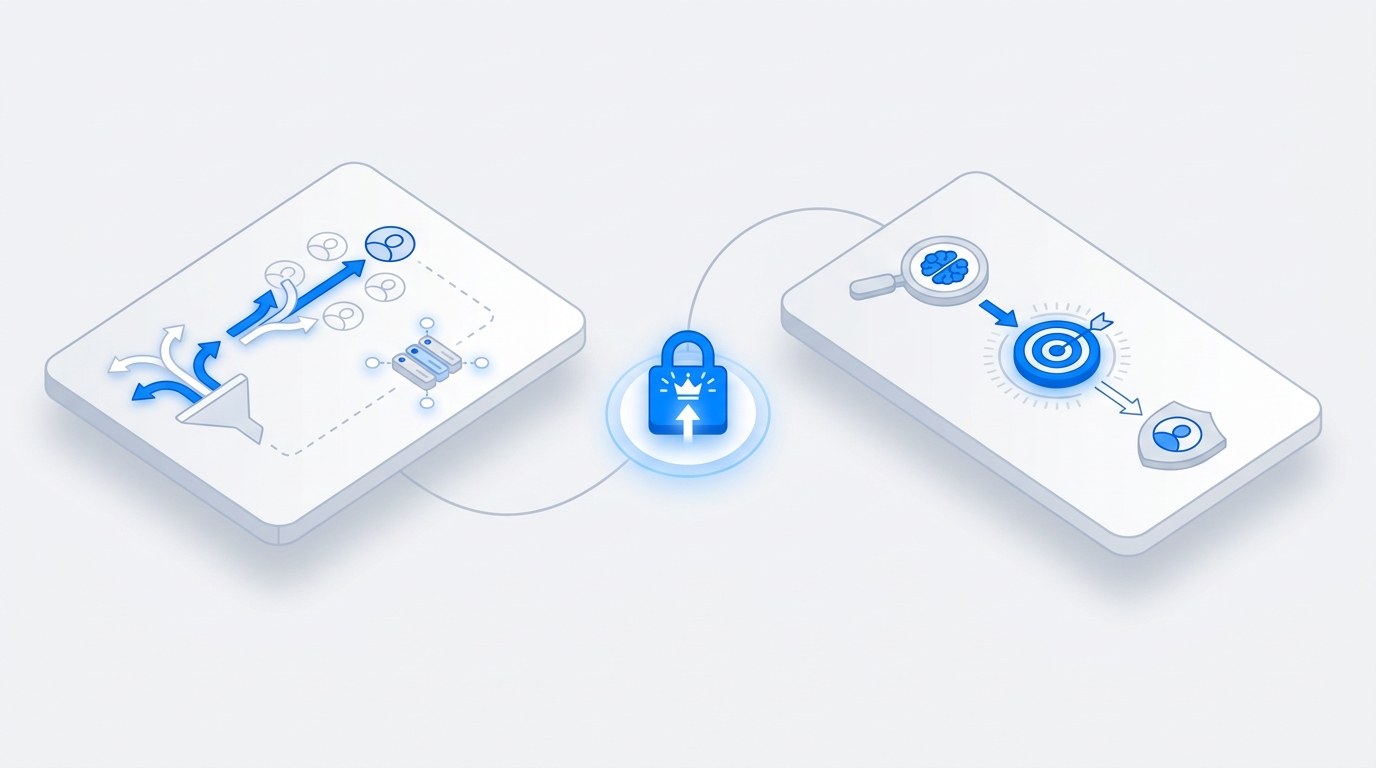
Exclusive is the most abused word in lead generation. On a marketplace it usually means the platform didn't resell that specific form to another pro. It doesn't mean the homeowner only contacted you. They filled out four forms on four platforms in ten minutes, and one of those platforms sold theirs exclusively too.
An AI answer is a shortlist, not a list. Ask ChatGPT who to call for emergency water damage in a given city and you get two or three names with a sentence each. Ask again and the names shift a little, but the shape holds. There's no auction and no slot to buy. You're in the answer because the model has enough consistent, structured evidence about you to be confident naming you out loud.
That's closer to a referral than a purchase. It's also why you're up against two firms instead of twelve.
The Intent Gap
Watch what the buyer had already done before they reached you.
The marketplace buyer typed a job description into a form. That's the start of shopping, not the end of it. They're gathering options, and every quote they collect makes the next one cheaper.
The AI search buyer had a conversation. They described their situation, asked a follow-up, got context on what the work involves and roughly what it should cost, and then asked who to call. By the time your phone rings they've pre-qualified themselves. They know what they need and what it costs.
It shows up in the first ninety seconds. Marketplace calls open with what do you charge. AI calls open with how soon can you come out. We broke that down per trade in what the lead log shows about price shoppers versus real jobs.
What You Can Verify
This is the part that matters most if you've been burned before.
You can't audit a marketplace's routing. You can't see how many firms got your lead, what they quoted, or whether the same contact went out under a neighbouring category. You get a dashboard and an invoice, and you're asked to trust both.
AI-sourced leads verify themselves, because the buyer tells you. Put one required field on your intake: how did you hear about us. AI callers answer it unprompted more than any other source, usually by naming the tool or repeating the question they typed. Log it verbatim with the date.
Then run your own spot check. Once a month, type the five questions your customers actually ask into ChatGPT and Google, and screenshot what comes back. That's a record you own, and it doesn't depend on a vendor being straight with you. More on building that in how to set up the next agency so you can fire it with evidence.
What Each One Costs
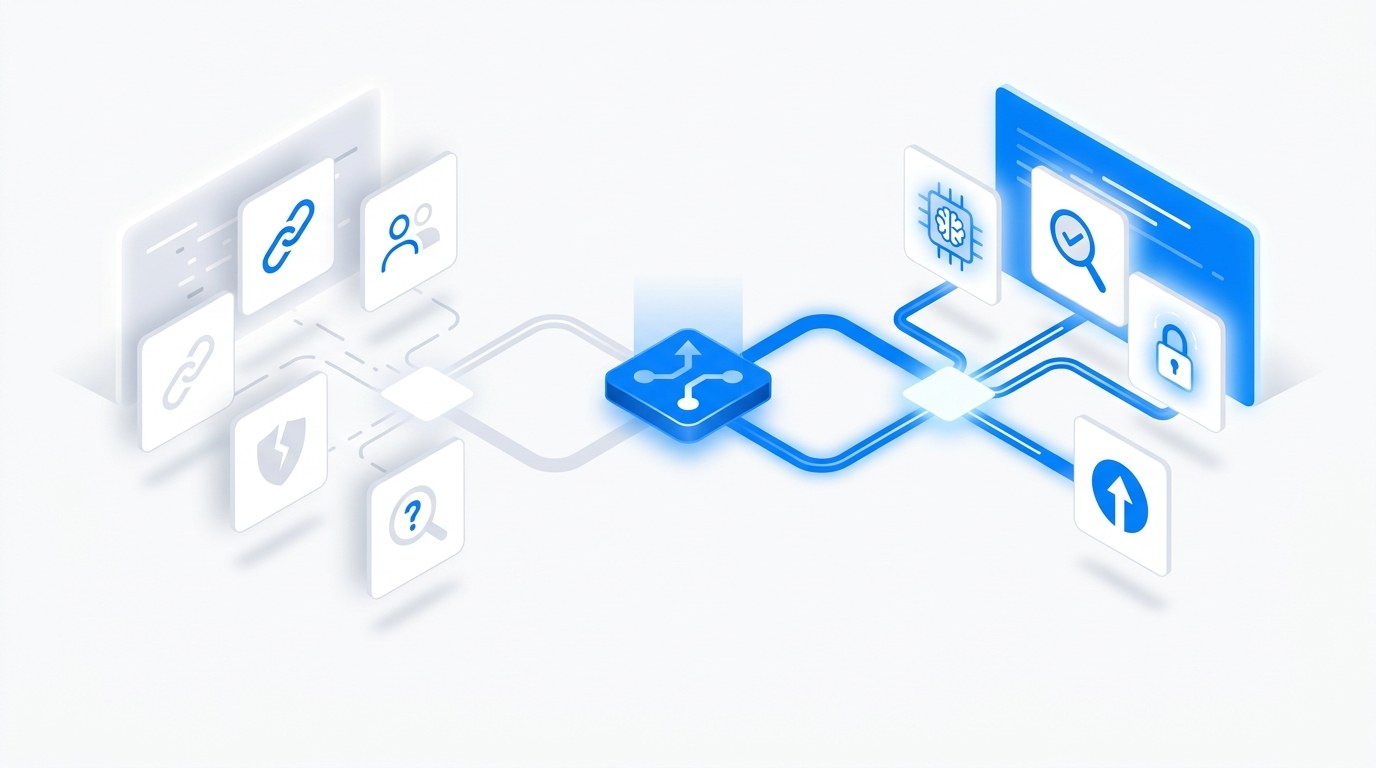
Shared leads are a per-unit cost that never stops scaling. Depending on trade, a lead runs $15 to $60 for cleaning and handyman work, $50 to $150 for HVAC, roofing and plumbing, and $100 to $300 for restoration. Close 15 percent of $120 leads and every won job carried $800 of acquisition cost. Double your volume and you double the bill.
AI search optimization is a flat retainer, typically $800 to $3,000 a month for a local service business, and it doesn't move when volume does. Month one is the worst month for cost per job. Month twelve is the best one, because the pages and citations you built are still working. Full breakdown in what AI search optimization actually costs in 2026.
Whichever way you go, hold the vendor to a thirty day checkpoint rather than a ninety day promise. We set out what should be visible by then in what you should see by day 30.
Which to Keep, Which to Add
Keep the marketplace and add AI search if the marketplace currently clears its own cost. Most owners in this position should change nothing about their spend and start building the second channel underneath it. It sits alongside your existing SEO work too, which we covered in how two vendors split the work.
Add AI search now and cut the marketplace later if the marketplace only ever produced price shoppers and you've spent a year telling yourself it's nearly breaking even. Give the new channel ninety days, then compare cost per won job and make the cut with numbers in hand.
Do neither yet if you can't answer where your last ten jobs came from. That isn't a channel problem, it's a tracking problem, and buying more leads on top of it only makes the confusion more expensive. Fix the lead log first. It takes an afternoon and it decides everything after it.
The Short Answer
Yes, an AI search lead is different, in three specific ways. It isn't resold to five competitors. The buyer decided what they needed before they called. And you can verify where it came from without asking a vendor to prove it for you.
None of that means the marketplace has to go. It means you should stop treating bought contacts as the only way to fill the calendar.
Want to see where you show up right now when someone asks an AI who to call in your area? Book a call and we'll run your customers' actual questions live, on the call. No deck.
Frequently Asked Questions
Is an AI search lead really exclusive, or is that just marketing?
Exclusive on a marketplace usually means the platform didn't resell that exact form submission to another pro. It doesn't mean the homeowner only contacted you. Most of them fill out three or four forms across three or four platforms in ten minutes. An AI answer is different in kind. When someone asks ChatGPT who to call for water damage in their city, the model names two or three businesses and moves on. Nobody paid for the slot and nobody is reselling it. You're still competing, just against two firms instead of a dozen, and the buyer picked you off a recommendation rather than a queue.
How many contractors get the same Thumbtack or Angi lead?
The platforms rarely publish a hard number and it moves by trade and market. In practice, owners tell us the same job shows up with three to six firms already on it, and in dense metros for common trades it runs higher. Angi and Thumbtack both match a request to multiple pros by design. That's the product, not a bug. Your quote lands fourth in an inbox, the homeowner has already priced the job twice, and the conversation opens on price rather than fit. It isn't a scam. It's what you bought. Price the channel on won jobs, never on lead count.
How much do shared leads cost compared to AI search optimization?
Shared leads are priced per lead. Common ranges owners report: $15 to $60 for cleaning and handyman work, $50 to $150 for HVAC, roofing and plumbing, and $100 to $300 or more for restoration and legal. At a 10 to 20 percent close rate, a $120 lead becomes $600 to $1,200 of acquisition cost per won job, every month, forever. AI search optimization is a flat retainer, typically $800 to $3,000 per month depending on how many locations and services need covering. The retainer doesn't scale with volume, so cost per job falls as the citations compound.
Should I cancel Angi or Thumbtack if I start doing AI search?
Not on day one. Cancelling a channel that pays for itself to fund one that hasn't produced yet is how owners end up with no pipeline in month two. Run them together. Keep the marketplace spend, tag every lead by source in your CRM, and compare cost per won job after ninety days. If the marketplace still clears its own cost, keep it. If it only ever produced price shoppers and you now have organic AI calls arriving, cut it then, with the numbers in front of you. Make that call on your own data, not on anyone's pitch, including ours.
How do I prove a lead came from ChatGPT and not somewhere else?
Ask. That's the whole method. Add one required field to your intake, phone script and web form: how did you hear about us. AI-sourced callers volunteer it more than any other channel, because the referral came out of a conversation. They'll say ChatGPT recommended you, or they'll quote the exact question they typed. Log the answer verbatim with the date. Pair that with your own spot checks: run the five questions a customer would ask, monthly, and screenshot what comes back. Between the lead log and the screenshots you've got a record you can audit without trusting a vendor dashboard.
Do AI search leads close at a higher rate than marketplace leads?
In the lead logs we keep for local service clients, yes, though the gap is about the conversation rather than the channel being magic. A marketplace buyer is comparing four quotes and opens on price. An AI-sourced buyer got a recommendation and opens on scheduling. Close rates vary hugely by trade, so the honest answer is that you should measure your own rather than take ours. Track two columns for ninety days: source, and won or lost. Most owners find the AI column is smaller in count and better in close rate. Volume is the tradeoff you're accepting.
What about 33 Mile Radius and other restoration lead sellers?
Same structure, higher stakes. Restoration lead sellers route a live water or fire call to several firms at once, and the winner is whoever answers first and gets a truck moving. If your dispatch is genuinely fast, that channel can work, and plenty of restoration firms run it profitably. It's still a resold contact at $100 to $300 a pop, and it goes silent the moment you stop paying. AI citations behave the opposite way. They're slower to build, they don't switch off when the invoice stops, and the homeowner arrives having been told to call you specifically.
How long before AI search produces its first lead?
Plan on ninety days to a steady flow, with signal well before that. Weeks one to four, the technical work lands: structured data, service and location pages, profile consistency across the directories the models actually pull from. Weeks four to eight, you start appearing in answers for the narrower questions, the ones carrying your city and a specific service. First calls usually turn up somewhere in that window. Broad head terms take longer. If nobody can show you movement on named questions by day thirty, that's worth a hard conversation before you renew anything.

About the author
Matthew Johnson is the founder of Pleiades Consultancy. He previously scaled his own marketing agency to multiple six figures before serving as CMO of an Amazon agency, where the client base tripled from 15 to 45 active clients during his tenure. He worked with some of the largest names in e-commerce, including Ridge Wallet, HexClad, BK Beauty, The Woobles, Walkize, Lonely Planet, and Obvi. He now works with local businesses to maximize their client acquisition and visibility through AI search with ChatGPT, Claude, Gemini, Perplexity, and Bing Copilot.