
Key Takeaways
- Keep Local Services Ads if they pay. This comparison is about adding a second channel, not firing the one that already books jobs.
- LSA leads run $40 to $120 in home services. They arrive fast, they are shared with two or three other contractors, and you can dispute the junk.
- AI search leads carry no per-lead charge. Cost sits in a $800 to $3,000 monthly retainer or 4 to 8 hours of your own foundation work.
- The real split is attribution. LSA gives you a dashboard. AI search gives you a homeowner who says the words "ChatGPT sent me" on the phone.
- Pull your dispute rate before comparing anything. On an $85 lead at 15% disputed, effective cost drops to roughly $78.
The Short Answer
Keep your Local Services Ads if they're paying. That's the whole answer, and most posts on this comparison bury it under two thousand words of hedging before they try to sell you the alternative.
A Google Local Services Ad lead in home services runs $40 to $120 depending on trade and metro. Plumbing and HVAC sit high in competitive markets. Handyman and junk removal sit lower. You pay per lead, the Google Guaranteed badge sits above the map pack, and you can dispute leads that came in as wrong number, wrong service area, or outright spam.
That's a real channel and it works. Trouble shows up when you try to answer two questions about it: how many of those $40 leads turned into booked jobs, and what happens to your pipeline when the auction gets more expensive next quarter. AI search answers the second one by being a different kind of asset. It doesn't switch off the day you stop paying.
How LSAs Price a Lead
LSAs run a per-lead auction against a weekly budget cap. Position depends on proximity to the searcher, review count and rating, how fast you answer the phone, and your responsiveness history. Miss calls and your ranking slides. Answer inside three rings and it holds.
Charges land on phone calls over a set duration, on message leads, and on bookings made through the Google flow. The badge itself requires background checks and licence verification, which takes a week or three at signup.
The lead is not exclusive in the way owners assume. A homeowner with water coming through the ceiling taps three listings in a row. You're paying $40 to $120 for the right to be one of three phones ringing, which is a different product from an exclusive lead and explains why call speed dominates everything else in the account. We broke that mechanic down in shared leads vs AI search leads.
Side by Side
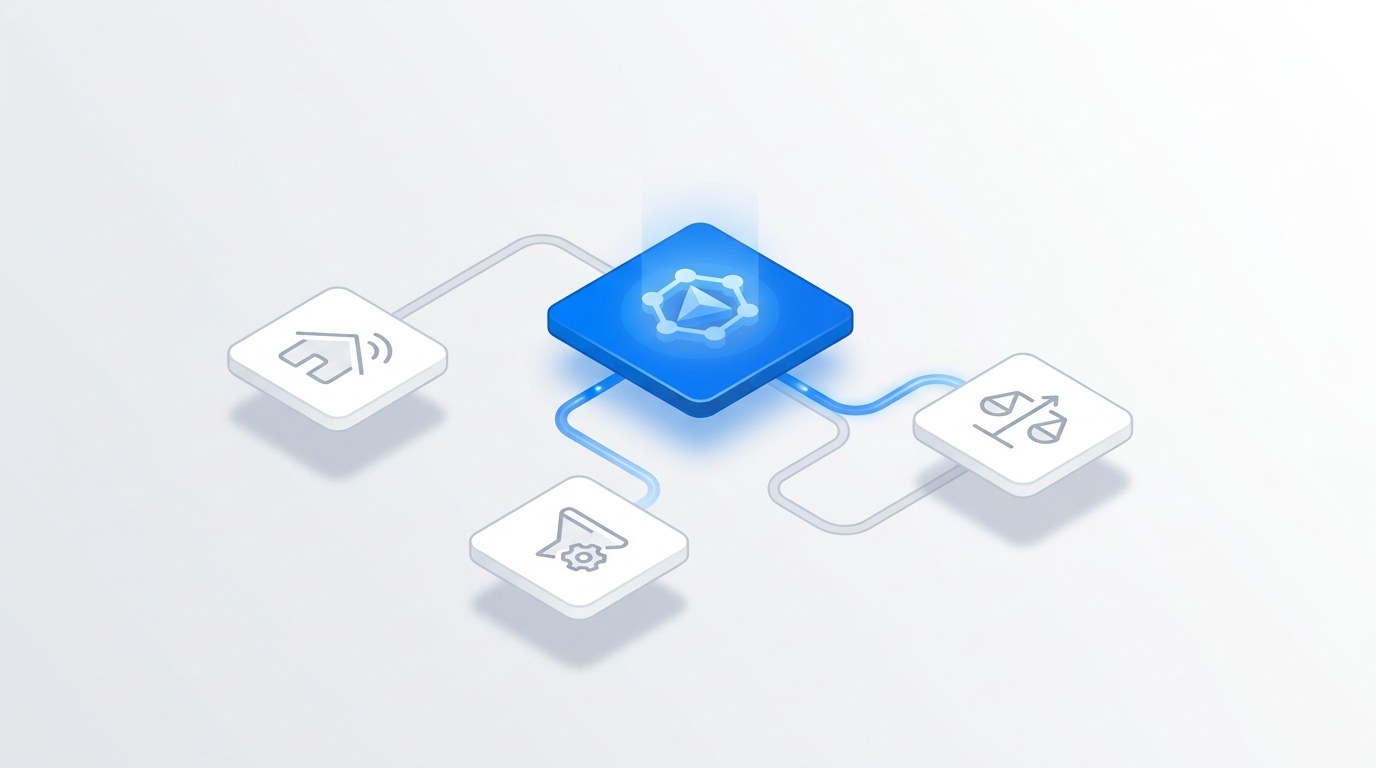
| Signal | Local Services Ads | AI Search |
|---|---|---|
| Cost per lead | $40 to $120 | No per-lead charge |
| Typical monthly | $1,500 to $6,000 budget cap | $800 to $3,000 retainer |
| Exclusivity | Shared, two to four contractors | One cited business per answer |
| Refunds | Dispute form, 3 to 7 days | Nothing to dispute |
| Attribution | Google dashboard and call log | Caller says it on the phone |
| Time to first lead | 1 to 3 weeks after verification | 6 to 12 weeks |
| When you stop paying | Leads stop that day | Citations decay over months |
| Intent shape | Emergency weighted | Research weighted |
The Dispute Rate
Every home services owner I speak to has a dispute number in their head. Almost none of them have pulled the actual figure. Go get it. Google shows disputed and credited leads inside the LSA dashboard.
Owners who track it land between 8% and 20% of charged leads disputed, with maybe half to two thirds credited back. Roofers and restoration run high thanks to insurance shoppers. Recurring-service trades run low.
Here's what that does to your real cost. At $85 nominal, 15% disputed, 60% of those credited, effective cost sits near $78. Not a rewrite of the economics. Worth knowing before you compare two channels on sticker price.
Attribution: The Real Split
This is where the two channels genuinely diverge, and it's not the part vendors talk about.
An LSA lead arrives with a Google-attributed source, so you know the ad produced it. What you don't know without extra work is whether the job closed, what it was worth, and whether that $85 bought a $400 drain clear or a $9,000 sewer line. Most home services owners never close that loop, because the CRM and the LSA dashboard never speak to each other.
AI search leads carry attribution attached to the human being on the phone. They volunteer it. "ChatGPT recommended you." "I asked for the best restoration company near me and you came up." We've logged that across restoration, dental and cleaning clients since spring, unprompted, because being recommended by an assistant is still novel enough that people mention it.
Weaker signal in one way, stronger in another. Weaker because you can't chart it in a dashboard. Stronger because a lead naming the channel is also telling you the intent behind the call. If you want the job-value side of that picture, we pulled the numbers by trade in price shoppers or real jobs.
What AI Search Costs
Nothing per lead. Something per month.
DIY foundation work costs $0 in software and 4 to 8 hours of your time: clean up Google Business Profile categories and services, claim Bing Places and Apple Business Connect, get LocalBusiness schema onto the site, and make sure service pages answer the question a homeowner would type at 11pm.
A managed retainer runs $800 to $3,000 a month for a single-location home services business, covering decision-stage content, citations, schema, and reporting on which prompts you appear in. Full breakdown of what sits in each tier lives in what AI search optimization actually costs.
Honest framing: at $2,000 a month, AI search needs roughly 25 leads at LSA's $80 blended rate to break even on cost alone. It rarely hits that in month one. It often hits it by month six, and unlike the ad account, month nine beats month six.
How to Run Both
Keep LSAs and add AI search if your cost per booked job sits under 15% of average ticket, phones get answered inside three rings, and you have headroom above current ad spend. That describes most healthy home services businesses.
Shift budget away from LSAs if cost per booked job has climbed past 25% of ticket across two quarters, your dispute rate sits above 20%, or you cap out every week and the leads keep getting worse. Move 30%, not the lot. Watch two months.
Skip AI search for now if you can't answer the phone reliably. No channel survives a missed call. Fix operations first, then buy visibility.
Whichever way you go, set the 30-day checkpoint before you sign anything. We wrote the checklist in what should be visible by day 30.
Want your own numbers on this?
Bring your LSA dashboard and we'll show you where AI assistants recommend your competitors instead of you, live, on the call.
Book a 20-minute reviewFrequently Asked Questions
How much does a Google Local Services Ads lead cost for home services?
$40 to $120 per lead for most trades, with the spread driven by trade and metro. Plumbing, HVAC and restoration in competitive metros push the top of that range. Handyman, junk removal and lawn care sit at $25 to $55. You set a weekly budget cap rather than a per-lead bid, so the real monthly number lands between $1,500 and $6,000 for a single-location operation running meaningful volume. Factor your dispute credit rate in when you compare against other channels. Owners who track it report 8% to 20% of charged leads disputed and roughly half to two thirds of those credited back.
Should I cancel my Local Services Ads if I start AI search optimization?
No. Run them together for at least two quarters. LSAs produce leads this week. AI search produces leads in month three at the earliest and compounds from there. Cancelling a channel that pays, to fund one that hasn't proved out on your trade and your metro, is how home services owners end up with a dead quarter. The sequence that works: hold LSA budget flat, fund AI search from margin or from a channel that's underperforming, reassess at 90 days with real numbers. If AI search is booking jobs by then, shift 30% of LSA spend and watch total lead volume.
What does AI search optimization cost for a home services business?
$800 to $3,000 per month for managed work on a single location. That covers decision-stage content, citation and directory work, schema markup, Google Business Profile depth, and monthly reporting on which prompts you appear in. Each additional location adds $300 to $800. DIY foundation work costs $0 in software and 4 to 8 hours: claim Bing Places and Apple Business Connect, fix your GBP categories and service list, add LocalBusiness schema, write service pages that answer what homeowners actually type. Most owners handle the foundation themselves and hire out ongoing content and citations, which is the part that eats hours every week.
How do I know an AI search lead actually came from ChatGPT?
They tell you. That's the odd advantage of this channel right now. Homeowners who found you through an assistant volunteer it on the call, because being recommended by ChatGPT is still novel enough to mention. Train whoever answers the phone to ask one question: how did you hear about us? Log the answer with the date and the job value. After 60 days you'll have a lead log showing the channel, and that log is more honest than any dashboard figure, because a human said the words out loud. Ask any agency you hire to hand you that log monthly.
What's the dispute rate on Local Services Ads and does it change the math?
Owners who track it report 8% to 20% of charged leads disputed, with roughly half to two thirds credited. Restoration and roofing run higher thanks to insurance shoppers and price checkers. Recurring-service trades run lower. On an $85 nominal lead with 15% disputed and 60% credited, effective cost lands near $78. That's an 8% correction, not a rewrite of the economics. The number matters more for planning than for the comparison: if your dispute rate crosses 20% and stays there, lead quality in your market is degrading, and that deserves action before cost per booked job catches up.
Which channel sends better job value, LSAs or AI search?
Early data across restoration, plumbing and cleaning points one direction: AI search leads skew larger, LSA leads skew faster. An LSA searcher is often mid-emergency and tapping three listings at once, which produces volume plus price pressure. Someone who asked an assistant for a recommendation has usually described the problem in a paragraph and read a comparison before dialling, so they arrive further along and shop fewer quotes. Sample sizes are still small. Don't build a budget around a 15-job difference. Do track average ticket by source in your CRM from day one so you own the number rather than borrowing ours.
How long before AI search produces its first lead for a home services business?
Six to twelve weeks for the first attributable call, three to six months for volume you'd notice on the P&L. Foundation work lands in the first fortnight: profile depth, schema, citations. The content that earns citations on decision-stage questions takes longer, because assistants need to see the page, index it, and weigh it against what already sits there. Anyone promising results in 30 days on a competitive metro is selling. What should be visible at day 30: baseline prompt tracking with your starting position documented, published pages, and profile work you can verify yourself by typing the prompts.
Can I run both channels without doubling my marketing budget?
Yes, and most single-location home services businesses should. A common split at $4,000 total per month: $2,500 in LSA budget, $1,500 in an AI search retainer. The ad side keeps phones ringing while the slower channel builds. At a $2,500 total, hold LSAs near $1,800 and start with DIY foundation work plus a lighter $700 to $900 monitoring retainer, scaling once the lead log moves. What fails: cutting LSAs to zero to fund a full retainer, or spreading $1,200 across both so thinly that neither channel produces a signal you can read.
Still running LSAs and wondering what a second channel would add? We'll audit both sides and tell you plainly if the ads are already doing the job.
Get the audit
About the author
Matthew Johnson is the founder of Pleiades Consultancy. He previously scaled his own marketing agency to multiple six figures before serving as CMO of an Amazon agency, where the client base tripled from 15 to 45 active clients during his tenure. He worked with some of the largest names in e-commerce, including Ridge Wallet, HexClad, BK Beauty, The Woobles, Walkize, Lonely Planet, and Obvi. He now works with local businesses to maximize their client acquisition and visibility through AI search with ChatGPT, Claude, Gemini, Perplexity, and Bing Copilot.