

Key Takeaways
- Only about 1.2% of US local businesses get recommended by ChatGPT. In an audit of 60 local service companies, over 90% had zero AI visibility.
- Every AI-recommended plumber we have audited shares four signals: deep service-specific reviews, consistent third-party citations, clean structured data, and decision-stage content.
- ChatGPT leans on Foursquare and open-web review data, not Google's local layer. Google AI Overviews is a separate channel with separate sources.
- Reviews that name specific services ("replaced our water heater same day") matter more than raw star count, because the model matches review text against the query.
- The foundation costs $0 and 4 to 6 hours. Ongoing depth through an agency is a monthly cost, with first citations typically at 60 to 120 days.
The Pattern Behind Every AI-Recommended Plumber
Ask ChatGPT for a plumber in any mid-size US city and it names three to five companies. Confidently. With reasons.
Here is the thing: ChatGPT has no idea who the best plumber is. It has never had a pipe burst at 2am. All it does is pull raw material from sources it trusts, then assemble something that reads like an objective answer. The plumbers who get named are not the best. They are the most machine-readable.
That distinction is the entire playbook. When we audited 60 local service businesses across plumbing, HVAC, dental, and roofing, more than 90% had zero AI visibility. The small group that did get recommended, across every vertical, was doing the same four things. Not 40 things. Four.
If you have never tested your own company, start with how to tell if ChatGPT recommends your business and run the baseline queries first. The rest of this post is the anatomy of the companies that pass that test.
| Signal | What feeds it | Time to impact |
|---|---|---|
| Review depth | Service-specific review text on Google, Yelp, Foursquare | 4 to 12 weeks |
| Third-party citations | Foursquare, Yelp, Angi, BBB, directories, NAP consistency | 4 to 8 weeks |
| Structured data | Plumber, Service, FAQPage schema on your site | 1 to 2 crawl cycles |
| Decision-stage content | Pages answering real purchase questions | 8 to 16 weeks |
Signal 1: Review Depth, Not Just Review Count
Every recommended plumber has reviews. So does every ignored plumber. The difference is what the reviews say.
A review that reads "great service, 5 stars" gives the model nothing to work with. A review that reads "they replaced our 50-gallon water heater the same afternoon and hauled off the old one" gives the model text it can match against the query "who does same-day water heater replacement near me." When ChatGPT assembles an answer, it is pattern-matching review language against question language. The plumbers who win have hundreds of reviews that name specific services, specific fixtures, and specific outcomes.
Three review traits show up in nearly every recommended company: volume above the market median, recency (a steady flow of one to three per week beats a burst of 50 from 2023), and distribution across platforms. A plumber with 400 Google reviews and nothing anywhere else looks strong to a human and thin to an AI that reads Foursquare and Yelp first.
The fix is boring and operational: ask every completed job for a review, and prompt customers to mention the service performed. You cannot script the words, but "mind mentioning what we fixed?" is a fair ask and it changes what the model sees.
Signal 2: Third-Party Citations
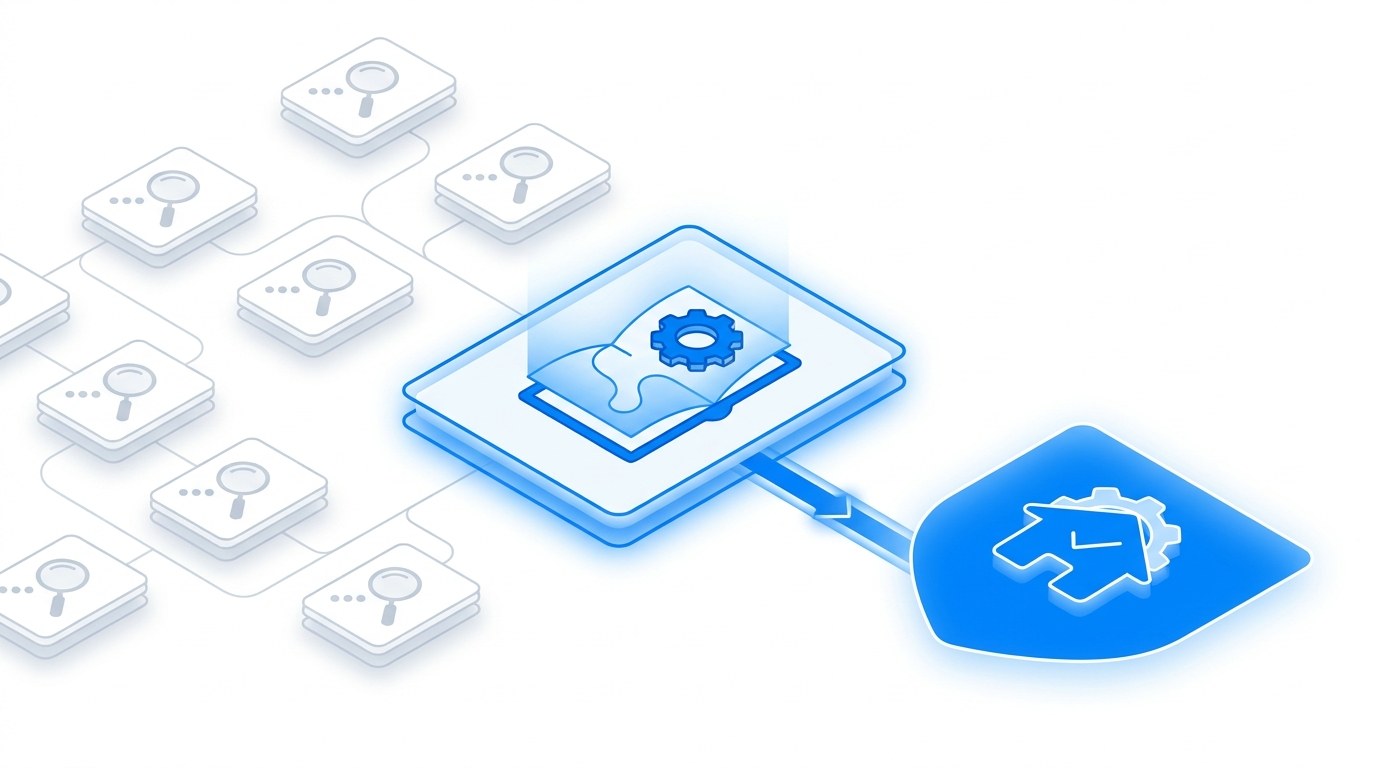
This is the least glamorous signal and the most decisive one. AI models trust corroboration. A plumbing company that exists on six platforms with identical name, address, and phone reads as real. A company that exists on one platform, or worse, exists on five with three different phone numbers, reads as noise.
For ChatGPT specifically, Foursquare punches far above its weight. Most plumbers have not touched their Foursquare listing in years, if they claimed it at all. The recommended ones have complete profiles there: long-form description, correct categories, photos, hours. If you want the full breakdown of why that one directory matters so much, read Foursquare vs Google Business Profile for AI visibility.
Beyond Foursquare: Yelp, Angi, BBB, Apple Maps, Bing Places, and whatever plumbing-specific directories serve your market. Each is one more source the model can cross-reference. In the answers Google AI Overviews produces for "best plumber" queries, you can watch it pull from Angi, Yelp, and individual business sites in the same response. The businesses cited are the ones present in multiple sources at once.
Signal 3: Structured Data
Schema markup is how your website stops being a wall of text and starts being a database entry. The recommended plumbers almost all run three types: Plumber (the LocalBusiness subtype) with full address, phone, hours, service area, and sameAs links to their profiles; Service markup for each core offering so drain cleaning and repipes are parseable as separate things; and FAQPage on question-answering pages.
Schema alone will not get you cited. But ambiguity gets you skipped. When a model has to guess whether you serve a suburb or offer emergency service, it moves on to a competitor it does not have to guess about. We ranked the specific types by observed impact in which schema types actually move AI citations. Start there, implement the top three, ignore the exotic stuff.
Signal 4: Decision-Stage Content
People do not ask ChatGPT "plumber near me." They ask it the way they would ask a friend: "is it worth switching to a tankless water heater," "how much should a repipe cost for a 1,800 square foot house," "do I need a plumber for a slab leak or a foundation company." Full questions, decision context included.
The plumbers getting cited have pages that answer those exact questions with real numbers and a clear recommendation. Not keyword-stuffed service pages. Answer pages. When the model needs source material for a cost question, it cites the site that published actual cost ranges. When it needs a tankless-vs-tank comparison, it cites the page that made the comparison honestly, including who should not buy tankless.
This is the biggest divergence from old-school plumber marketing, and it is why ranking well in Google does not automatically transfer. We covered the split in detail in AI search optimization vs traditional SEO for plumbers. Short version: traditional SEO optimizes for a crawler ranking pages, AI search optimizes for a model answering questions. The content that wins the second game is more useful and harder to fake.
How They Got There: Cost and Timeline
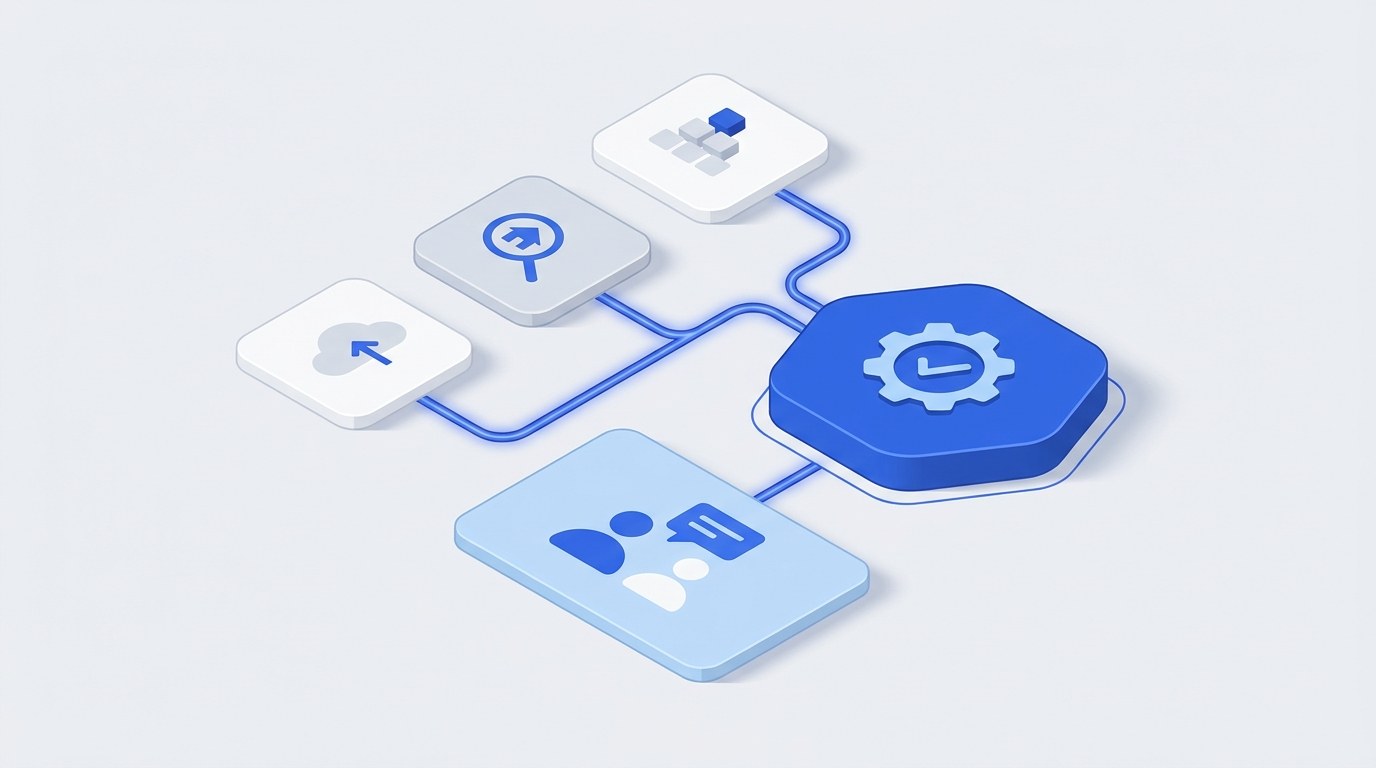
None of the recommended plumbers got there overnight, and none of them got there by accident. The realistic path looks like this.
Weeks 1 to 2: the foundation. Claim and complete Foursquare, Bing Places, Apple Maps. Fix NAP inconsistencies. Add core schema. Cost: $0 and 4 to 6 hours. This is fully DIY-able for any owner willing to spend a Saturday on it.
Months 1 to 4: the depth work. Review generation running on every job. Two to four decision-stage pages per month. Citation network expansion. This is where most owners either commit hours weekly or hire it out. What each tier of ongoing work should include is in our AI search pricing benchmark for plumbers.
First citations typically land between day 60 and day 120. Directory-driven visibility surfaces first, content-driven citations later. Expect partial wins on the way: the model names you for water heaters before it names you for everything.
Check Your Own Visibility
The whole opportunity here rests on one number: 1.2% of local businesses are getting recommended, which means roughly 99% of your competitors are invisible in the fastest-growing answer channel there is. In most markets, the recommendation slots are not held by the biggest plumber in town. They are held by whoever fixed their signals first.
Run the baseline queries this week. If you show up, protect the position. If you do not, you now know the four signals to fix and the order to fix them in.
Want the audit done for you? We will run your company through the same queries and signal checklist we use on every engagement and show you exactly where the gaps are. Book a free AI visibility audit.
Find out if ChatGPT recommends your plumbing company
Book Your Audit CallFrequently Asked Questions
How many plumbers actually get recommended by ChatGPT in 2026?
Very few. Roughly 1.2% of local businesses in the US get recommended by ChatGPT at all. In an audit of 60 local service businesses across plumbing, HVAC, dental, roofing, and med spa, over 90% had zero AI visibility. Not low visibility. Zero. That sounds discouraging but it is actually the opportunity: in most metro areas, the plumbers ChatGPT names are not the biggest companies, they are the ones whose signals happen to be machine-readable. The recommendation slots are winnable because almost nobody is competing for them yet.
What signals does ChatGPT use to recommend a plumber?
Four categories show up in nearly every recommended plumber we have audited. First, review depth: volume, recency, and reviews that mention specific services. Second, third-party citations: consistent listings on Foursquare, Yelp, Angi, BBB, and industry directories, since ChatGPT leans heavily on Foursquare data. Third, structured data: LocalBusiness or Plumber schema plus Service and FAQPage markup that lets the model parse what you do and where. Fourth, decision-stage content: pages that directly answer the questions people actually type into ChatGPT, like repipe costs or tankless versus tank water heaters.
Does ChatGPT read my Google reviews?
Not the way you would expect. ChatGPT does not sit on top of Google's local data layer. It pulls more from Foursquare and from review content that lives on the open web, including Yelp and industry directories. Google AI Overviews is the platform that leans on Google Business Profile and Google reviews, along with pages that already rank in Google. That is why a plumber who dominates the Google map pack can be invisible in ChatGPT, and the reverse. Treat them as separate channels: keep Google reviews flowing for AI Overviews, and build Foursquare and Yelp presence for ChatGPT.
How much does it cost a plumber to become AI-recommended?
The foundation is nearly free. Claiming Foursquare, Bing Places, and Apple Maps, fixing NAP consistency, and adding LocalBusiness schema costs $0 in software and 4 to 6 hours of time. Ongoing depth is where money enters, and the price depends on market size and how much content production is included. For a market reference, Ahrefs' survey of 439 SEO providers puts local SEO at $1,557 a month on average (ahrefs.com/blog/seo-pricing).
How long does it take to show up in ChatGPT recommendations?
Typical range is 60 to 120 days from the first fix to the first citation, because AI platforms refresh their source data on their own schedules, not yours. Directory and citation fixes tend to surface first, often within 4 to 8 weeks. Content-driven citations take longer because pages need to be crawled, indexed, and trusted. Plumbers starting from zero visibility usually see partial citations first: the model mentions the company for one service query but not others. Full recommendation across your core services is a 4 to 6 month outcome, not a 2 week one.
Which schema types actually matter for a plumbing website?
Three carry most of the weight. LocalBusiness (or the more specific Plumber subtype) with complete address, phone, hours, service area, and sameAs links to your profiles. Service schema for each core offering, so emergency plumbing, water heater replacement, and sewer line repair are machine-readable as separate services. And FAQPage schema on pages that answer real customer questions. Skip self-authored Review markup, it is against Google's guidelines and adds risk without payoff. Schema does not rank you by itself, but it removes ambiguity, and AI systems consistently favor sources they can parse cleanly.
Is getting recommended by ChatGPT the same as traditional plumber SEO?
It overlaps but it is not the same job. Traditional SEO optimizes for Google's crawler and the map pack: rankings, links, GBP signals. AI search optimization targets what the models actually ingest: Foursquare and directory data, review text, schema, and content that answers full questions instead of chasing keywords. A plumber ranking #1 in Google can still be absent from ChatGPT because the data sources differ. The good news is the work compounds: most AI-focused fixes also help classic local SEO, so you are not choosing one channel at the expense of the other.
How do I check whether ChatGPT recommends my plumbing company right now?
Run the queries your customers run, in a fresh session with no memory of your business. Try five variations: best plumber in your city, emergency plumber near your city, water heater replacement in your city, and two service-specific asks. Do the same in Perplexity and Google AI Overviews. Log which companies get named and which sources get cited. If you appear, note which services trigger it. If you do not, the cited sources are your roadmap: those are the platforms and page types the model trusts for your market. Repeat monthly, because answers shift as source data refreshes.

About the author
Matthew Johnson is the founder of Pleiades Consultancy. He previously scaled his own marketing agency to multiple six figures before serving as CMO of an Amazon agency, where the client base tripled from 15 to 45 active clients during his tenure. He worked with some of the largest names in e-commerce, including Ridge Wallet, HexClad, BK Beauty, The Woobles, Walkize, Lonely Planet, and Obvi. He now works with service businesses to maximize their client acquisition and visibility through AI search with ChatGPT, Claude, Gemini, Perplexity, and Bing Copilot.