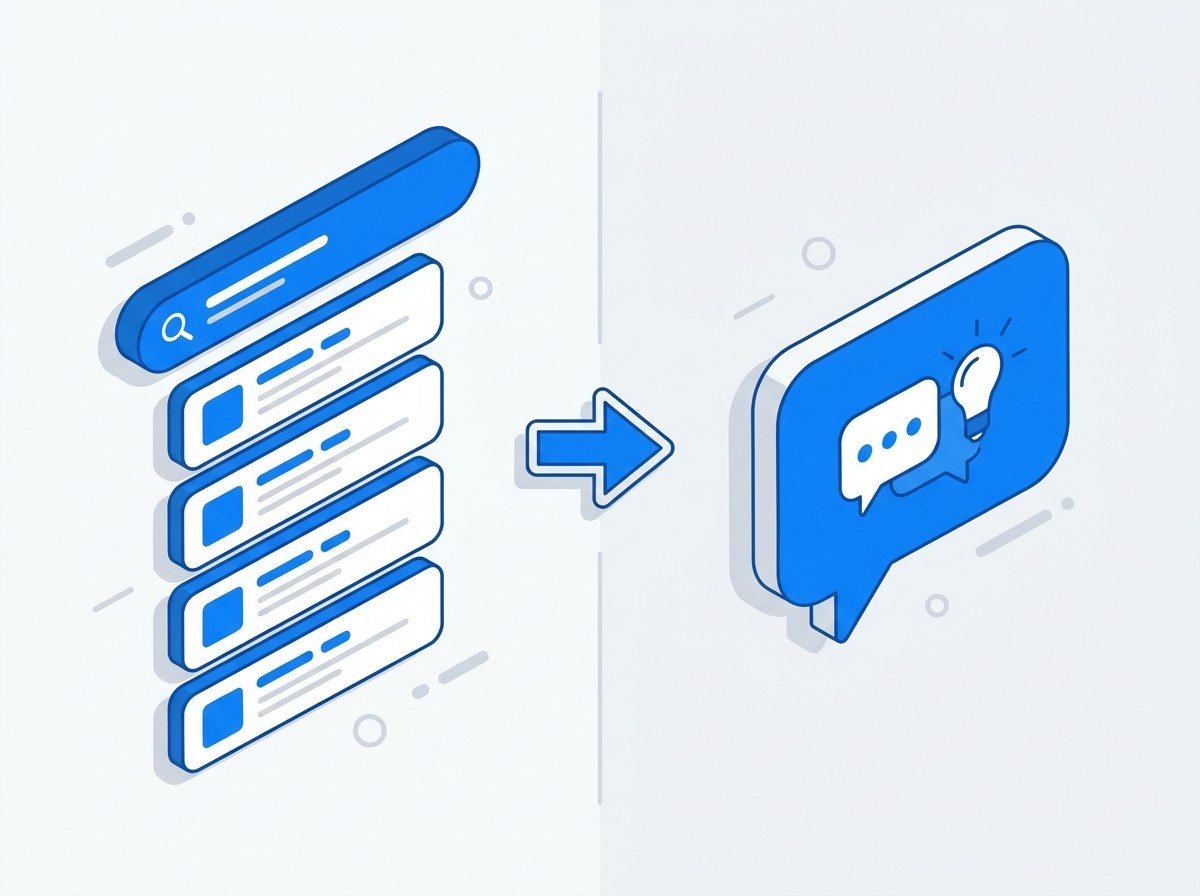
Pricing reflects typical retainer ranges across local-business agencies. Pleiades engagements typically land at the low end of the AI search range.
Key takeaways
- 1.AI search and traditional SEO target different systems. They are not the same job.
- 2.AI search optimization gets first results in 30 to 60 days. Traditional SEO takes 6 to 12 months.
- 3.Less than 5% of local businesses are optimizing for AI search. First-mover advantage is real and time-limited.
- 4.About 30% of the work overlaps (Google Business Profile, NAP, schema). The other 70% diverges.
- 5.Comparison and pricing content gets cited by AI. Traditional informational content does not.
- 6.Most local businesses should run both, weighted 60/40 toward AI search if they are starting in 2026.
What Traditional SEO Actually Targets
Traditional SEO targets Google's ranking algorithm. The deliverables, in order of weight, are backlink acquisition, on-page content depth, Google Business Profile optimization, technical site health (Core Web Vitals, mobile usability, crawlability), and review velocity. The goal is to surface a website link inside Google's top 10 organic results for queries the business cares about.
The work pattern is slow and compounding. A local SEO retainer typically delivers measurable ranking lift in 6 to 12 months. The compounding piece is real. A business with 18 months of consistent SEO work is hard to displace because backlinks accumulate and topical authority does too. The downside: the queries that used to drop users on those rankings are now answered by Google AI Overviews directly, with no click-through. Search Engine Land reported in 2025 that 47% of local-intent queries resolve in an AI Overview without ever sending a click to the ranked page.
What AI Search Optimization Actually Targets
AI search optimization targets the data sources that large language models pull from when they answer a query. The deliverables, in order of weight, are Foursquare listing completeness (the single largest input to ChatGPT's local recommendations, contributing roughly 70% of its local data), Bing Places and Apple Maps presence, schema markup (LocalBusiness with the correct industry subtype), structured review content, citation network depth across industry-specific directories, and decision-stage content (comparison pages, pricing pages, decision guides) that LLMs cite when answering buyer-intent questions.
The work pattern is faster and more concentrated. A local business with no Foursquare presence and no schema markup typically sees its first AI citations within 30 to 60 days of complete optimization. We have audited 60+ local businesses across dental, restoration, pest control, professional services, and cash-pay specialty wellness. Over 90% had zero AI visibility at the time of audit, including chains with 200+ locations. The fix is specific to AI, not generic SEO.
For deeper context on the data sources AI uses, read our breakdown of why ChatGPT pulls 70% of its local data from Foursquare and the Google vs ChatGPT search overlap study that found less than 15% query-result overlap between the two engines.
Want to know if AI search is currently citing your business?
Free 30-minute AI visibility audit. We test ChatGPT, Perplexity, and Google AI Overviews live on the call. No pitch.
Book a CallCost Comparison: What You Actually Pay
The retainer ranges below reflect what local-business agencies typically charge in 2026 for each model. Variance comes from market size, competitiveness of the niche, and whether the work is purely strategic or also includes content production.
Traditional SEO
$800 to $5,000/month
- Boutique agency, 1 to 5 locations: $800 to $1,500/mo
- Mid-tier agency, multi-location: $1,500 to $3,000/mo
- Enterprise local SEO: $3,000 to $5,000+/mo
- Typical contract: 6 to 12 months
AI Search Optimization
$800 to $3,000/month
- Single location: $800 to $1,200/mo
- Multi-location, regional: $1,500 to $2,500/mo
- Specialty + multi-vertical: $2,500 to $3,000/mo
- Pleiades: month-to-month
The ranges overlap. The work is different. A $1,500/mo traditional SEO retainer typically buys ongoing backlink outreach, monthly blog content, and Google Business Profile management. A $1,500/mo AI search optimization retainer typically buys complete directory infrastructure setup, schema markup, citation network optimization, monthly comparison-style content production, and ongoing AI citation monitoring. Different deliverables, different mechanism. For a full breakdown of what each tier actually pays for, see our guide to what AI search optimization costs. Common follow-on questions are covered in our AI search optimization FAQ.
Which One Should You Choose?
If you are forced to pick one, here is the framework based on 60+ local-business audits we have run in 2026.
Choose AI search optimization first if:
- You are a new business, or you have been operating without strong Google rankings
- Your niche is a specialty one (R&D tax credits, ketamine therapy, restoration, foundation repair) where buyers ask AI for specifics
- You are competing against chains and franchise networks with bigger ad budgets
- A faster path to first results matters to you (60 days vs 12 months)
- You have already tried traditional SEO and seen the diminishing returns of saturated keyword competition
Choose traditional SEO first if:
- You are already ranking on Google's first page and want to defend and expand that position
- Your buyers research heavily and spend weeks reading content before deciding
- You operate in a niche where AI Overviews have not yet penetrated significantly (rare in local services in 2026, but it happens)
- You have a 12+ month time horizon and want compounding authority that is harder to displace
Run both (the answer for most local businesses):
- Roughly 30% of the underlying work overlaps (GBP, NAP, schema), so a hybrid retainer is more efficient than two separate ones
- A typical 60/40 split favoring AI search optimization in 2026 captures the first-mover advantage while preserving Google ranking work
- Most agencies do not offer this hybrid because they specialize in one or the other. Pleiades engagements are AI-search-led with the overlapping traditional SEO work bundled in
Why AI Search Is Winning Attention in 2026
Three numbers explain why local businesses are reweighting toward AI search this year.
- 200M+ weekly active users on ChatGPT (OpenAI disclosure, 2025). The fastest-growing user demographic on ChatGPT is buyers researching local services, not students or developers.
- 63% of local-intent searches now show a Google AI Overview (BrightEdge 2024 study). The AI summary appears above the standard ranked results, frequently with one or two specific business recommendations cited inline.
- Less than 5% of local businesses are optimizing for AI search (Pleiades Consultancy audit data, 2026, 60+ local businesses across 5 verticals). Even chains with 200+ locations frequently show 0% AI citation rate.
The combination of high user volume on AI assistants and low competitive saturation on the optimization side is the definition of a first-mover window. By the time the average local business notices the shift, the businesses already optimizing for AI will be locked into the recommendation slot for their niche-plus-city combinations. Closing that gap is the whole point of AI search optimization. For the full picture of which local SEO tactics still work this year and which ones stopped, read our breakdown of what changed in local SEO in 2026.
Frequently Asked Questions
What is the difference between AI search optimization and traditional SEO?
Traditional SEO works on a website so it ranks in Google's standard search results, where users see a list of 10 blue links and click one. AI search optimization makes a business citable by ChatGPT, Perplexity, Claude, and Google AI Overviews, which return one or two specific recommendations directly inside a conversational answer. Traditional SEO targets the search engine's ranking algorithm. AI search optimization targets the data sources (Foursquare, Bing Places, Apple Maps, schema markup, citation networks) that large language models pull from.
Which one matters more for local businesses in 2026?
Both still matter, but the trend lines are crossing. ChatGPT has 200 million weekly active users. Perplexity processes over 500 million queries per month. Google AI Overviews now appear on roughly 63% of local-intent searches. For a local service business in 2026, the buyer journey often ends in an AI answer before it ever reaches a Google ranking. Most local businesses are 90% optimized for traditional SEO and 0% optimized for AI search, which is why specialty local businesses are seeing first-mover gains by addressing the AI side now.
How much does AI search optimization cost compared to traditional SEO?
Traditional SEO retainers for local businesses range from $800 to $5,000 per month at most agencies. AI search optimization, because the data sources and the workload are different, typically lands in a similar $800 to $3,000 per month range. Pleiades runs on month-to-month engagements at the lower end of that range.
Can I do both AI search and traditional SEO at the same time?
Yes, and most local businesses should. The two channels share roughly 30% of their underlying signals (Google Business Profile completeness, NAP consistency, schema markup), so work in those areas counts toward both. The remaining 70% diverges. Traditional SEO focuses on backlinks, content depth, and Google-specific ranking factors. AI search optimization focuses on Foursquare, Bing Places, Apple Maps, citation networks, and decision-stage content (pricing pages, comparison guides) that LLMs cite for buying decisions.
How long does AI search optimization take to show results?
AI citation typically appears within 30 to 60 days of completing the directory and schema work. Foursquare, Bing Places, and Apple Maps process updates in 2 to 4 weeks. Schema markup is picked up on the next crawl cycle, usually within a week. Traditional SEO for local businesses typically takes 6 to 12 months to move rankings meaningfully. AI search is faster because the underlying systems are not yet saturated. Most local industries have less than 5% of competitors optimizing for AI citation, so first movers see disproportionate lift.
Will AI search replace traditional SEO?
Not entirely. AI search is reshaping where the value sits. Traditional SEO will keep mattering for informational searches, branded searches, and comparison shopping. But the high-intent local query (the one that ends in a phone call) is increasingly answered by AI before the user ever sees Google's blue links. Search Engine Land reported in 2025 that 47% of local-intent queries now resolve in an AI Overview without a click-through. Local businesses that wait until 2027 to optimize for AI will be 18 to 24 months behind competitors who started in 2026.
Which one has better ROI for a local service business?
It depends on stage. For a brand-new business with no Google ranking and no AI citation, AI search has a faster ROI window because the path to first-page-equivalent visibility is shorter. For an established business already ranking on Google's first page, traditional SEO is locked-in revenue and AI search is incremental. The highest-ROI play in 2026 is for established local businesses to add AI search on top of their existing Google ranking, since they already have the directory infrastructure that AI pulls from. Pleiades typically sees 3 to 5 times the inquiry volume from AI search vs. traditional SEO for the same monthly retainer in the first 90 days.
Do I need backlinks for AI search optimization?
Backlinks matter much less for AI search than for traditional SEO. Large language models do not weight backlinks the way Google's ranking algorithm does. They weight citation network presence (Foursquare, Yelp, Apple Maps, Bing Places, Better Business Bureau, industry-specific directories), schema markup, structured review content, and contextual mentions in news and review sites. A local business with 0 backlinks but a complete Foursquare listing and Dentist-subtype schema can outperform a local business with 200 backlinks and no Foursquare presence in ChatGPT recommendations.
What is GEO (Generative Engine Optimization) and how does it relate to this?
GEO is the term some agencies are using for what we call AI search optimization. It refers to the same practice: optimizing a business for citation by generative AI engines (ChatGPT, Claude, Perplexity, Gemini, Google AI Overviews). The terminology is settling. AEO (Answer Engine Optimization), GEO, and AI search optimization all describe roughly the same work. Pleiades uses AI search optimization because it is the term local business owners search for and understand without industry context.
See where your business stands in AI search
We test ChatGPT, Perplexity, and Google AI Overviews live for your business on a free 30-minute call. You walk away with a specific list of what to fix, in priority order. No commitment.
Book the Free Audit →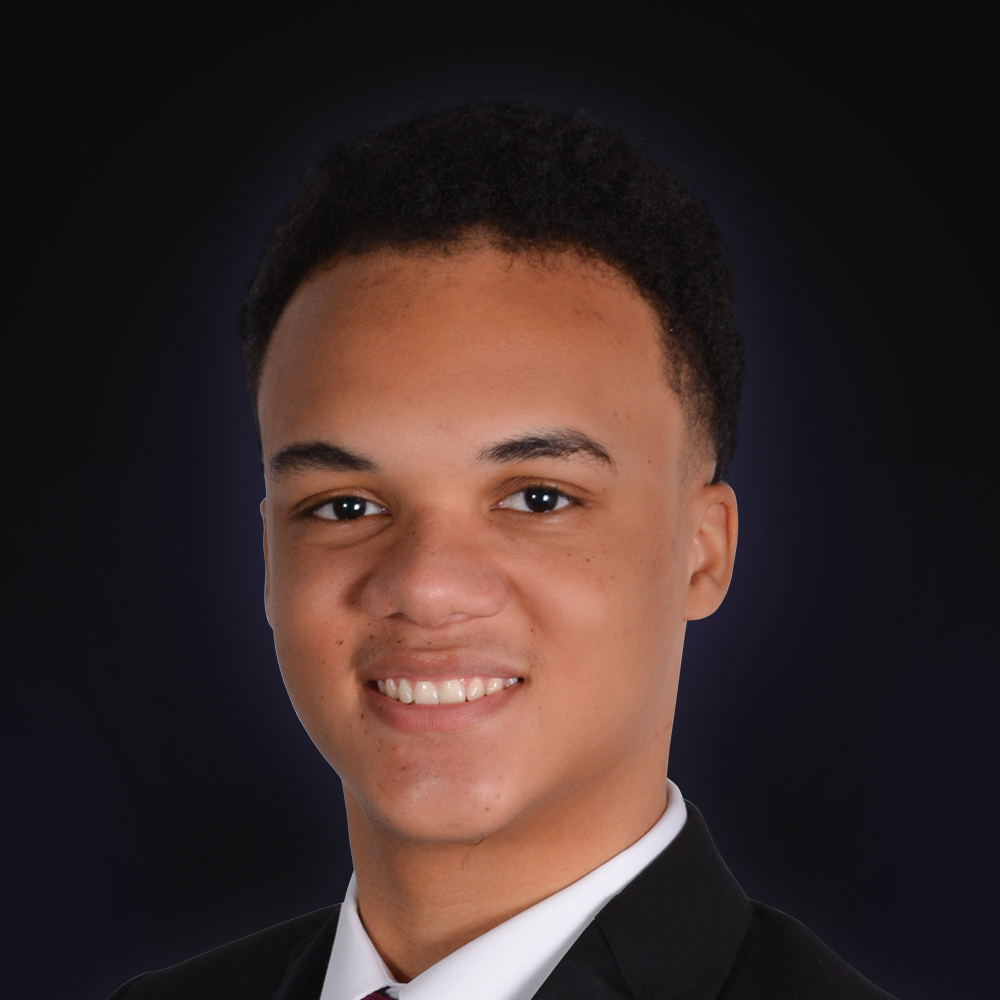
About the author
Matthew Johnson is the founder of Pleiades Consultancy. He previously scaled his own marketing agency to multiple six figures before serving as CMO of an Amazon agency, where the client base tripled from 15 to 45 active clients during his tenure. He worked with some of the largest names in e-commerce, including Ridge Wallet, HexClad, BK Beauty, The Woobles, Walkize, Lonely Planet, and Obvi. He now works with local businesses to maximize their client acquisition and visibility through AI search with ChatGPT, Claude, Gemini, Perplexity, and Bing Copilot.