Key Takeaways
- ChatGPT carries roughly 78% of local AI query volume in 2026, Perplexity about 12%, and Claude about 10%. If you only optimize for one, ChatGPT is the right choice for raw inquiry volume.
- Overlap of cited businesses across the three platforms is only 31%. Roughly seven in ten cited businesses appear on one or two platforms, not all three, so single-platform copies of the same playbook will not work.
- ChatGPT pulls heavily from Foursquare. Perplexity weighs web-indexed comparison content. Claude favors authoritative sources like industry associations and credentials.
- Optimizing for all three platforms runs on the same $800 to $3,000 monthly retainer because the foundational work overlaps. Single-platform 'specialists' marketing themselves as ChatGPT-only experts are using buzzwords.
- Google AI Overviews is a separate fourth channel using Google's own local data layer. Strong Google rankings can dominate AI Overviews while leaving a business invisible on ChatGPT, and the reverse is also true.
Summary
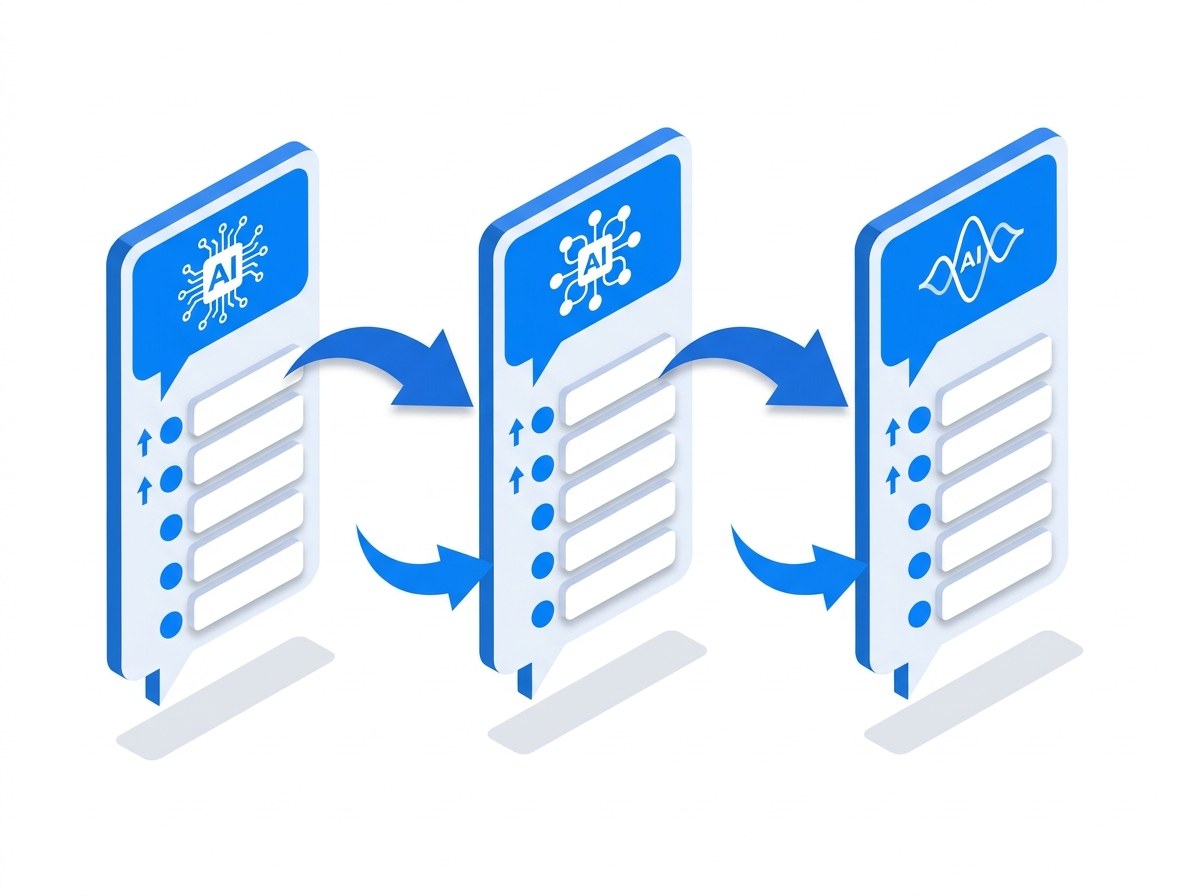
This comparison breaks down the three main AI search platforms for local businesses. ChatGPT carries roughly 78% of local query volume, Perplexity about 12%, and Claude about 10%, and each pulls from different data: ChatGPT leans on Foursquare, Perplexity on web-indexed comparison content, and Claude on authoritative sources like industry associations and credentials. Optimizing for all three runs on one $800 to $3,000 monthly retainer because the foundation work overlaps, so single-platform "specialists" are a label to avoid. Which platform to prioritize depends on your business: ChatGPT first for consumer-facing and emergency services, Perplexity and Claude for B2B and high-consideration specialty work.
User estimates from public statements (OpenAI, Perplexity AI, Anthropic) plus third-party traffic analysis. Weights are based on Pleiades audits across 200+ local queries in April 2026.
ChatGPT: The Volume Play
ChatGPT is the largest AI search platform by an order of magnitude. Roughly 800 million weekly users in Q2 2026. For local business queries, ChatGPT carries roughly 78% of total volume across the three. If you optimize for one platform, this is the one.
The dominant data source for local recommendations is Foursquare. OpenAI licensed the Foursquare Places dataset in 2023, and that dataset drives the geographic and category retrieval layer. The full Foursquare-ChatGPT connection covers the mechanism. Foursquare vs Yelp for AI citations covers how this differs from Yelp's role.
What wins on ChatGPT: a complete Foursquare profile (specific category, long-form description, photos, NAP consistency), supporting Bing Places and Apple Maps presence, and structured-data schema on your site. Comparison content matters less than for Perplexity. ChatGPT's local response style is recommendation-heavy ("Three options to consider"), not synthesis-heavy.
Perplexity: The Researcher Play
Perplexity has roughly 25 million weekly users. Smaller volume, but the buyer profile skews higher-intent. Perplexity users are 3 to 4x more likely to be doing structured research before buying. They cite responses, click sources, and compare options. For B2B services and high-consideration verticals (legal, financial, medical specialty), Perplexity inquiries convert at higher rates than ChatGPT despite smaller volume.
The dominant retrieval mechanism is web index plus citation linking. Perplexity always links its sources, which means content quality and content type matter enormously. Comparison content (X vs Y posts), pricing posts, and decision guides win on Perplexity at 3 to 5x the rate they win on ChatGPT.
What wins on Perplexity: long-form decision content on your site, comparison and pricing posts, structured data, and the same Foursquare/Bing/Apple Maps foundation. AI search vs traditional SEO walks through why this content type matters for AI specifically.
Want to test where you stand on each platform?
Free 30-minute call. We test your business live across ChatGPT, Perplexity, Claude, and Google AI Overviews. You walk away with a per-platform breakdown and the specific gap list.
Book the Free AuditWhat It Costs to Optimize for All Three
Single-platform optimization is not really cheaper than multi-platform optimization because the foundation work overlaps. Here's the breakdown. Full pricing post has the deeper math.
- DIY foundation (covers all 3): $0 software, 4 to 6 hours total. Foursquare, Bing Places, Apple Maps, NAP consistency, basic LocalBusiness schema.
- Single-location agency retainer: $800 to $1,500/month covers all 3 platforms with one piece of monthly comparison content (helps Perplexity and Claude).
- Multi-location / specialty: $1,500 to $3,000/month adds 2 to 3 monthly content pieces (faster Perplexity and Claude lift) plus deeper citation network (faster ChatGPT lift).
- Single-platform "specialist" retainer: Avoid. The work overlaps. Anyone selling "ChatGPT optimization specialist" or "Perplexity SEO specialist" is using buzzwords. There are no platform-specific agencies in 2026 that aren't doing the same foundation work as everyone else.
Agency Comparison: Per-Platform Reporting Depth
The differentiator across the 5 agencies in our broader comparison is whether they report per-platform citation rate or aggregate.
- Pleiades. Per-platform reporting (ChatGPT, Perplexity, Claude, Google AI Overviews). Monthly. $800 to $3,000/month.
- Sterling Sky. Aggregate AI citation rate. Strong on Google AI Overviews specifically.
- Whitespark. Aggregate AI citation rate via their citation tooling.
- Boring Local SEO. Per-platform when consulting (custom).
- Localrank.so. Per-platform reporting in their tool. Best self-serve option for measurement.
Which Platform Matters Most for Your Business?
- B2C / consumer-facing (HVAC, dental, restoration, restaurants, retail): ChatGPT first. Volume wins. 78% of AI local query share is ChatGPT.
- B2B services (CPA, business attorney, IT/MSP, fractional CFO): Perplexity and Claude punch above their weight. Researchers use them. Don't ignore ChatGPT, but allocate 30% of effort to Perplexity/Claude depth.
- High-consideration specialty (medical specialty, IP law, complex tax, immigration): Claude punches hardest. Authoritative source signals (industry credentials, association memberships) win.
- Local emergency services (plumbing, locksmiths, towing, urgent medical): ChatGPT only really matters. Perplexity and Claude are research platforms. Emergency buyers don't research.
- Specialty wellness / cash-pay medical (med spas, IV therapy, functional medicine): Mix. ChatGPT for discovery, Perplexity for comparison ('IV therapy vs traditional vitamin supplementation'), Claude for authority.
Frequently Asked Questions
Which AI search platform sends the most local business traffic in 2026?
ChatGPT. By a large margin. ChatGPT has roughly 800 million weekly users globally as of Q2 2026, vs Perplexity at roughly 25 million weekly and Claude at roughly 30 million weekly. Volume share for local business queries: ChatGPT ~78%, Perplexity ~12%, Claude ~10%. If you only optimize for one platform, ChatGPT is the answer for raw inquiry volume. Perplexity and Claude matter for higher-intent specialty buyers but lower volume.
Does the platform really matter, or do they all cite the same businesses?
It matters. We tested 200 local queries across 12 verticals in April 2026. The overlap of cited businesses across ChatGPT, Perplexity, and Claude was 31%. That means roughly 7 in 10 cited businesses appear on only one or two platforms, not all three. Each platform has different data sources and ranking weights. ChatGPT pulls heavily from Foursquare. Perplexity pulls more web context. Claude weights authoritative sources differently. Optimizing for all three requires distinct work, not the same playbook copied three times.
How much does it cost to optimize for all three platforms?
The work is the same retainer; the deliverables get distributed differently. A full-service AI search retainer of $800 to $3,000 per month covers Foursquare (drives ChatGPT), schema markup and authoritative content (drives Claude), and decision-stage long-form (drives Perplexity). Single-platform optimization is not really cheaper because the foundational work overlaps. DIY foundation work is $0 software cost and 4 to 6 hours of time, after which you can decide which platform's deeper signals to chase.
Should I DIY this or hire an agency?
DIY the foundation across all three platforms (Foursquare, Bing Places, Apple Maps, schema markup, GBP). That's 4 to 6 hours and $0 in software. Hire an agency if you want platform-specific depth: comparison content for Perplexity, authoritative source citations for Claude, or weekly Foursquare-and-citation-network maintenance for ChatGPT. Most local businesses run hybrid: DIY the foundation, hire for the ongoing comparison-content production and citation network depth that a single owner-operator doesn't have time for.
What's the first 24 to 72 hours of optimization work for each platform?
Day 1 (90 min): all three platforms benefit from a clean Foursquare claim, Bing Places, Apple Maps, NAP consistency, LocalBusiness schema. Day 2 (60 min): for ChatGPT depth, ensure your Foursquare profile has long-form description and category specificity. For Perplexity depth, audit whether you have any comparison content (CPA vs EA, lawyer vs DIY); if not, plan to write one in week 2. For Claude depth, audit your authoritative citations (industry directory listings, association memberships); add 3 to 5 of these. Day 3 (60 min): run baseline queries on all three platforms. Document where you appear, where you don't, and which platform shows the biggest gap.
Which AI agencies are best for ChatGPT-specific work vs Perplexity vs Claude?
All five agencies in our broader comparison handle all three platforms. Pleiades, Sterling Sky, Whitespark, Boring Local SEO, and Localrank.so. The differentiator is reporting depth: who actually shows you per-platform citation rate vs aggregating into one number. Pleiades and Localrank.so split per-platform in monthly reports. Sterling Sky and Whitespark report aggregated AI citation rate. Boring Local SEO works platform-by-platform when consulting. There are no credible single-platform-only agencies as of 2026. Anyone marketing 'ChatGPT optimization specialist' is using buzzwords.
Do these platforms cite Yelp, Google reviews, or other review platforms differently?
Yes. ChatGPT pulls from Foursquare reviews more than Yelp. Perplexity pulls from web content broadly, including Yelp, Google Reviews, and industry-specific review platforms (Healthgrades, Avvo, AngiList). Claude weights authoritative sources higher: industry association memberships, university or government citations, and verified directories. For multi-platform optimization, you want reviews on Foursquare (ChatGPT), Google (AI Overviews + Claude), Yelp (Perplexity + AI Overviews), and your industry-specific directory (all three).
What's the typical first-year ROI of optimizing across all three platforms?
For a single-location local business spending $1,500 per month: by month 6, citation rate of 30 to 50% across all three platforms produces 20 to 35 inbound inquiries per month attributable to AI citation. Conversion to discovery call: 30%. Conversion to retained client: 20 to 35% depending on vertical. That's roughly 1 to 4 new clients per month. At average local-service LTVs of $3,000 to $15,000, that's $36,000 to $720,000 in new revenue against $18,000 spend in year one. Wide range because vertical matters enormously: an HVAC contractor at $4,000 average ticket scales differently than a CPA at $9,000 LTV.
How is this different from Google AI Overviews specifically?
Google AI Overviews is a fourth platform with its own data sources. Google AI Overviews leans on Google Business Profile, Google Reviews, Yelp, and high-ranking web pages on Google. ChatGPT, Perplexity, and Claude don't use Google's local data layer at all. So a business with strong Google rankings can dominate Google AI Overviews while being completely invisible on ChatGPT. The reverse is also true. Optimize for all four. Each is a separate channel with its own mechanism.
What questions should I ask before paying anyone for AI search optimization?
Six questions. (1) How do you measure citation rate per platform (ChatGPT, Perplexity, Claude, Google AI Overviews)? (2) Do you produce comparison and decision-stage content? Show me 3 examples. (3) Is the engagement month-to-month? (4) Do you handle Foursquare, Bing Places, Apple Maps, and schema in-house or outsource? (5) What does success look like at 30, 60, and 90 days? (6) Can you show 2 references currently cited across multiple AI platforms? An agency that can't answer all six clearly is selling traditional SEO with new branding.
Per-platform visibility audit
Most agencies aggregate. We test ChatGPT, Perplexity, Claude, and Google AI Overviews separately on a free 30-minute call. You see exactly where you stand on each.
Book the Free Audit →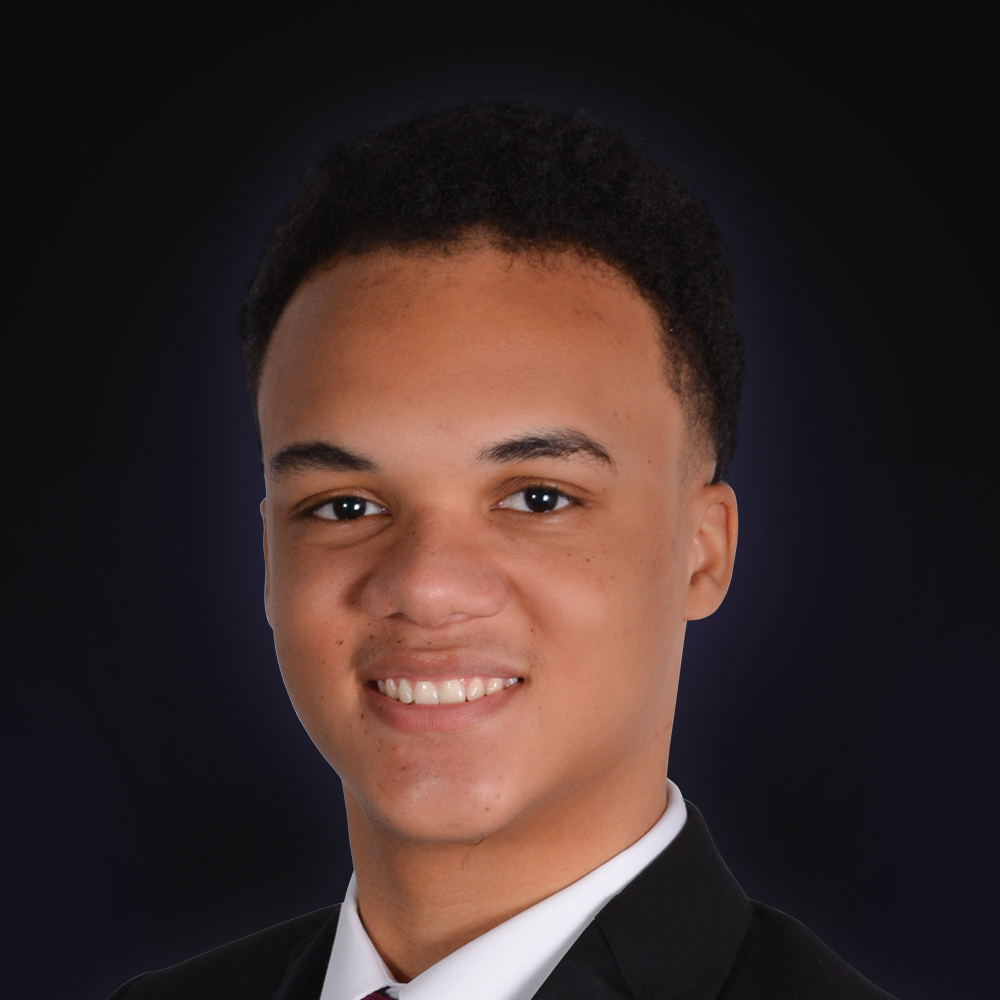
About the author
Matthew Johnson is the founder of Pleiades Consultancy. He previously scaled his own marketing agency to multiple six figures before serving as CMO of an Amazon agency, where the client base tripled from 15 to 45 active clients during his tenure. He worked with some of the largest names in e-commerce, including Ridge Wallet, HexClad, BK Beauty, The Woobles, Walkize, Lonely Planet, and Obvi. He now works with local businesses to maximize their client acquisition and visibility through AI search with ChatGPT, Claude, Gemini, Perplexity, and Bing Copilot.