Key Takeaways
- •AI Overviews now appear in 13% of Google searches, reducing click-through to traditional organic results. ChatGPT and Perplexity are growing as separate discovery channels.
- •Backlinks have almost zero direct impact on AI search recommendations from ChatGPT, Perplexity, or Google AI Overviews. Directory consistency and schema markup matter far more.
- •The top 5 priorities for 2026 local SEO: directory consistency across Foursquare/Google/Yelp/Apple Maps, schema markup, detailed keyword-rich reviews, GBP optimization, and FAQ content with schema.
- •Traditional SEO is not dead. Google still processes billions of daily searches. But businesses optimizing only for Google are missing 15% to 25% of local intent searches now happening on AI platforms.
What Changed in Local SEO
Three things happened between 2024 and 2026 that fundamentally altered local search:
1. AI Became a Discovery Channel
ChatGPT hit 200 million weekly active users. Perplexity grew to tens of millions. Google launched AI Overviews, which now appear in 13% of search results. For the first time, there are multiple search channels that matter for local businesses, not just Google.
The shift is not subtle. When someone asks ChatGPT for a dentist, they get 1 to 3 recommendations. Not a list of 10. Not a page of ads. One answer. This is a fundamentally different model than the one local SEO was built for. We break down exactly how this works in our Google vs ChatGPT comparison.
2. Data Sources Diversified
In 2023, local SEO meant Google. Your Google Business Profile, your Google reviews, your Google ranking. That was 90% of the game. In 2026, the data sources that matter have expanded significantly. Foursquare (which feeds ChatGPT) is arguably as important as Google for AI discovery. Yelp feeds Perplexity. Apple Business Connect feeds Siri and Apple Intelligence. Each AI platform has its own data pipeline, and none of them rely solely on Google.
3. Structured Data Became Essential
Schema markup went from "nice to have" to "critical." In the old model, Google could figure out what your business did from your website content and backlink profile. AI platforms are less forgiving. They need structured data to extract business information reliably. Without schema markup, your website is just text to an AI crawler. With it, every service, location, FAQ, and credential is instantly parseable. See our schema markup guide for the technical details.
Is your SEO strategy built for 2026?
We audit your visibility across Google, ChatGPT, Perplexity, and 40+ data sources. Full report showing where you stand and what to fix.
Book a CallWhat Still Works
Not everything from the old playbook is obsolete. Several traditional local SEO tactics are actually more important now because they benefit both traditional and AI search:
- Google Business Profile optimization. GBP accounts for 32% of Google AI Overview ranking factors and feeds data to multiple other platforms. A complete, accurate GBP is more important in 2026 than it was in 2023.
- Detailed, specific reviews. Reviews that mention services, locations, and specific experiences help on Google, and they also give AI platforms keyword signals for matching queries to businesses.
- FAQ content. FAQ pages with proper schema markup serve both traditional SEO (featured snippets) and AI search (direct answer extraction). Double the value for the same effort.
- Service-specific pages. Individual pages for each service you offer improve traditional SEO targeting and give AI platforms structured content to reference.
- NAP consistency. Name, address, phone consistency across directories was always important for local SEO. Now it is critical for AI search because AI cross-references multiple sources to verify business data.
What Stopped Working (or Matters Less)
- Backlink-focused strategies. Backlinks still help Google organic rankings. But they have zero impact on ChatGPT recommendations, minimal impact on Perplexity, and reduced impact on Google AI Overviews compared to traditional organic. The ROI of link building has declined significantly.
- Keyword density optimization. AI does not rank pages based on keyword frequency. It extracts data. Stuffing "best dentist in Austin" into your content 15 times does nothing for AI search and now hurts traditional SEO too.
- Meta description optimization. Meta descriptions still matter for click-through on traditional Google results. But AI platforms do not use them for recommendation decisions. The effort is better spent on schema markup and FAQ content.
- Generic review volume chasing. 500 reviews that say "great service!" are worth less than 50 reviews mentioning specific services and locations. AI reads review content, not just star counts.
- Google-only strategies. Putting all your SEO effort into Google while ignoring Foursquare, Yelp, and Apple Maps means you are invisible on the fastest-growing search channels. This is the most expensive mistake in local SEO right now.
What Is New in 2026
Beyond the shift to AI search, several new tactics have emerged:
- Foursquare optimization. The single most impactful new tactic. Foursquare feeds 70% of ChatGPT's local data. Most businesses have never touched their Foursquare listing. It takes 10 minutes to claim and has more impact on AI visibility than any other single action.
- Multi-platform directory management. Managing your presence across Foursquare, Google, Yelp, Apple, and Bing as a unified data strategy rather than separate tasks. Consistency across all platforms is now the signal AI looks for.
- AI-first content structure. Writing content that AI can easily extract answers from. FAQ schema, service schema, and well-structured data on every page. Think of your website as a database AI can query, not a brochure humans read.
- AI visibility monitoring. Checking how your business appears (or does not appear) on ChatGPT, Perplexity, and Google AI Overviews. This is a new analytics dimension that did not exist 2 years ago.
For the full optimization playbook covering all of these tactics, read our complete AI search optimization guide. For service details, visit our services page.
Where This Is Heading: 3 Predictions for 2026 and 2027
1. AI search will handle 30%+ of local discovery by the end of 2027. We are at roughly 15 to 25% now. As AI assistants become default on phones (Apple Intelligence, Samsung Galaxy AI), voice and text AI queries will become the primary way people find local services. The shift will accelerate.
2. Structured data will become a ranking factor on Google. Google is already using schema markup as a signal for AI Overviews. We expect this to expand to traditional rankings. Businesses without schema markup will face a measurable disadvantage across all search types.
3. Directory consistency will replace backlinks as the top local ranking signal. As AI platforms become more important, the signal that matters most is verifiable, consistent data across multiple sources. Backlinks tell Google you are authoritative. Directory consistency tells AI you are real, active, and trustworthy. The market is shifting toward the second signal.
The Bottom Line
Local SEO in 2026 is not about choosing between traditional SEO and AI optimization. It is about doing both. The good news is the high-impact tactics (directory consistency, schema markup, detailed reviews, GBP optimization, FAQ content) improve visibility across every platform.
The businesses that will win are the ones that treat their online presence as a unified data strategy across all platforms, not just a Google ranking game. The window for early advantage is still open, but it is closing. 94% of local businesses have not made this shift yet. That is both the opportunity and the urgency. If you want to see what making that shift actually looks like week by week, read what to expect in the first 30 days.
Frequently Asked Questions
Is traditional SEO dead in 2026?
No. Traditional SEO still drives significant traffic and leads for local businesses. Google processes billions of searches daily and organic ranking still matters. But the landscape has shifted. AI Overviews now appear in 13% of searches, reducing click-through to organic results. And new discovery channels like ChatGPT and Perplexity are growing fast. The smart play is optimizing for both traditional and AI search.
What is the biggest change in local SEO for 2026?
The biggest change is the rise of AI as a discovery channel. ChatGPT, Perplexity, and Google AI Overviews are fundamentally different from traditional search. They recommend 1 to 5 businesses instead of showing 10 blue links. They pull from different data sources (Foursquare, not just Google). And they prioritize structured data over traditional SEO signals like backlinks.
Do backlinks still matter for local SEO in 2026?
Backlinks still matter for traditional Google rankings. But they have almost zero direct impact on AI search recommendations from ChatGPT, Perplexity, or even Google AI Overviews. For AI visibility, directory consistency, schema markup, and review quality are far more important than link building.
How important is Google Business Profile in 2026?
More important than ever for Google AI Overviews, where GBP accounts for roughly 32% of ranking factors. GBP also feeds data to other platforms as a verification source. A complete, optimized GBP is essential for both traditional and AI search visibility.
What should local businesses prioritize for SEO in 2026?
First: directory consistency across Foursquare, Google, Yelp, and Apple Maps. Second: structured data (schema markup) on your website. Third: detailed, keyword-rich reviews. Fourth: GBP optimization. Fifth: service-specific content with FAQ schema. These five actions improve visibility across both traditional and AI search channels.
Is Your Business Ready for How Search Works in 2026?
We will audit your visibility across Google, ChatGPT, Perplexity, and 40+ platforms. Full report showing exactly where you stand.
Takes 15 minutes. No sales pitch.
Book a Call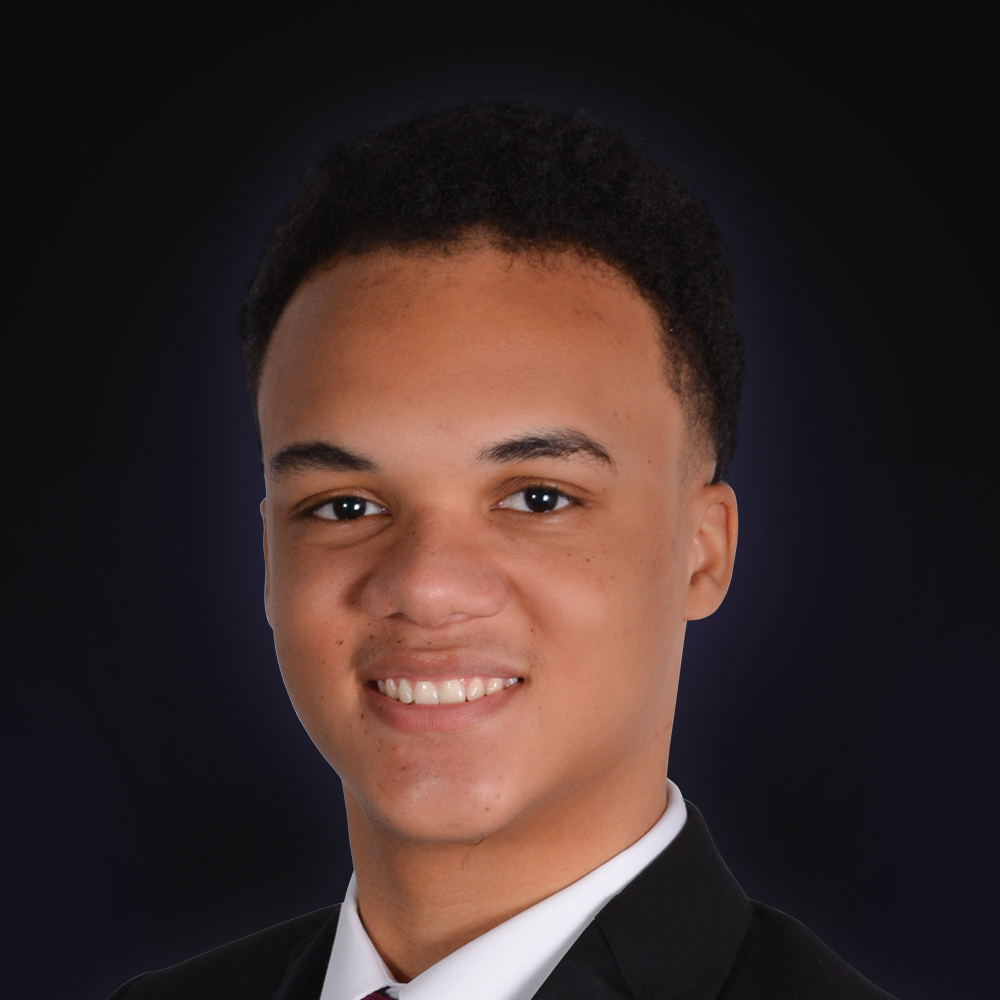
About the author
Matthew Johnson is the founder of Pleiades Consultancy. He previously scaled his own marketing agency to multiple six figures before serving as CMO of an Amazon agency, where the client base tripled from 15 to 45 active clients during his tenure. He worked with some of the largest names in e-commerce, including Ridge Wallet, HexClad, BK Beauty, The Woobles, Walkize, Lonely Planet, and Obvi. He now works with local businesses to maximize their client acquisition and visibility through AI search with ChatGPT, Claude, Gemini, Perplexity, and Bing Copilot.