
Key Takeaways
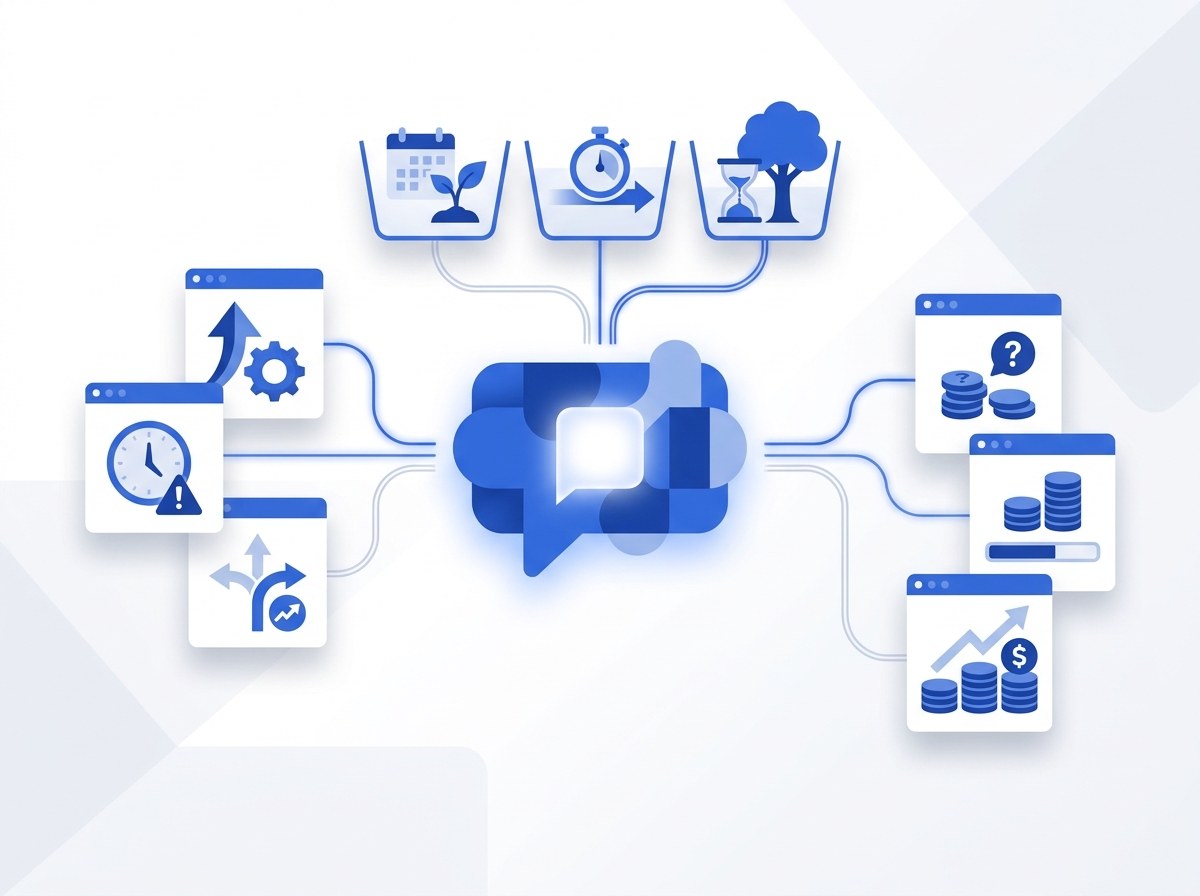
- Three triggers tell a restoration company it is time to invest in AI search: organic call volume dropping, a competitor showing up in ChatGPT or AI Overviews answers, and revenue concentration in insurance program work.
- Start now if homeowner emergency calls are a meaningful revenue source. Restoration is a first-call industry, and the company an AI names gets the water loss.
- Start within 90 days if volume is stable but a competitor is already cited. AI platforms keep citing the businesses they already cite, so the gap widens every month you wait.
- Wait only if you are at capacity on program work and could not staff another direct job. Even then, put a revisit date on the calendar.
- The foundation costs $0 and 4 to 6 hours. Ongoing work is a monthly retainer, and at restoration job values a few recovered losses per month covers it.
I audited 60 local businesses last year. Three showed up in AI search.
Restoration companies were the worst of the bunch, which is strange, because restoration is the vertical where AI search matters most. Nobody comparison-shops a flooded basement. The homeowner asks one question, gets one answer, and calls one company. If that answer is not you, there is no page two to catch the runoff.
So the question is not whether AI search optimization matters for restoration. It is when it becomes worth your money. This is a timing decision, and timing decisions need triggers, not vibes. Here are the three triggers, then three buckets to place yourself in.
The Three Triggers
1. Your organic call volume is dropping
Pull 12 months of call data. Strip out seasonality, because restoration swings with weather. If homeowner-direct calls are down 15 percent or more year over year and your Google rankings have not moved, the missing calls are usually going somewhere your rank tracker cannot see. AI assistants answer the question before the searcher ever reaches your listing. The drop shows up in your phone before it shows up in any report.
2. A competitor is getting cited
This is the loudest trigger. Ask ChatGPT who to call for water damage in your city. If a competitor gets named and you do not, they hold an advantage that compounds monthly. We ran this exact analysis for the Milwaukee market in our breakdown of which restoration companies ChatGPT recommends in Milwaukee, and the pattern was consistent: the cited companies had claimed directory profiles, real review depth, and structured data. The uncited ones had none of it. If you have never tested this, here is exactly how to check whether ChatGPT recommends your business. It takes ten minutes.
3. You depend on insurance jobs
Counterintuitive one. Owners with 70 percent or more of revenue from adjusters and TPAs tend to ignore AI search because homeowners are not picking them anyway. Flip it. That concentration is the risk. One renegotiated program, one dropped TPA relationship, and a third of your revenue walks. Direct homeowner jobs pay better margins and nobody can cancel the channel on you. AI search is the cheapest direct channel in restoration right now, because in most markets nobody is doing the work.
The Three Timing Buckets
Bucket 1: Start now
Choose this bucket if any of these is true: homeowner-direct calls make up 25 percent or more of revenue, your call volume dropped this year, or a competitor already shows up in AI answers for your core queries.
Two or more triggers firing at once means you are not deciding whether to invest. You are deciding how much revenue you are willing to lose while you think about it. Do the foundation this week, get an audit this month.
Bucket 2: Start within 90 days
Choose this bucket if your volume is stable, no competitor is cited yet, but you want the direct channel. You have a rare thing in marketing: an open market. In most restoration metros, AI assistants either name nobody specific or name a national franchise with no local depth.
The 90-day clock matters because open markets close. The first local company to build the signals tends to keep the citation. Use the window to DIY the foundation, then decide on ongoing help with real baseline data in hand.
Bucket 3: Wait, with a date
Choose neither if you are at capacity on insurance program work, could not staff another direct job, and your program relationships are contractually stable for the next 12 months. Paying a monthly retainer to generate calls you would turn away is bad math.
But "wait" needs a date. Put a specific quarter on the calendar to re-run the trigger check. Waiting without a revisit date is how companies end up in bucket 1 with a competitor two years ahead of them.
What It Costs at Each Stage
Three price points, matched to the buckets. The DIY foundation costs $0 in software and 4 to 6 hours: claim and complete Foursquare, Bing Places, and Apple Maps, fix name-address-phone consistency everywhere, and add LocalBusiness schema to your site. Every bucket does this. A one-time professional audit makes sense for bucket 2 companies who want a prioritized fix list without a retainer. A full monthly engagement fits bucket 1 companies where the lost-call math is already negative.
The ROI check is simple in this vertical. An average water loss bills $4,000 to $8,000. A mid-tier retainer needs to recover roughly one job every two months to break even, and every job past that is margin. Compare that to what a single insurance program concession costs you annually and the number stops looking like a marketing expense. If you want the full build-vs-buy breakdown, we wrote a restoration-specific comparison of DIY audits vs hiring an agency, and a broader look at whether AI search optimization is worth it for a small local business at all.
What the First 90 Days Look Like
Weeks 1 to 2: baseline and foundation. Run the homeowner queries on ChatGPT, Perplexity, and Google AI Overviews. Screenshot everything. Then do the directory and schema work. Weeks 3 to 6: review velocity and content. Push for reviews that mention the service and the city, because "fast response on our burst pipe in the middle of the night" teaches a model more than five stars alone ever will. Publish one decision-stage page per core service answering the exact question a panicked homeowner asks.
Weeks 7 to 12: re-test and decide. Run the baseline queries again. If you are appearing on at least one platform, the foundation is working and you can decide whether depth is worth outsourcing. If nothing moved, something structural is wrong, and that is the point where an audit earns its fee. Expect first movement in 3 to 8 weeks, not days. Anyone promising guaranteed placement in 30 days is selling something they do not control.
The Bottom Line
The right time to invest was before your competitor did. The second-best time is before the trigger data forces you. If calls are dropping or a rival is getting cited, you are in bucket 1 and the clock is running. If the market is still open, you have 90 days of cheap advantage available. And if you genuinely cannot take more work, wait, but wait with a date.
If you want to know exactly where your company stands, that is what the audit call is for. Twenty minutes, your visibility across every platform, and the three fixes that matter most. No retainer required. Book a free AI visibility audit and get the data before you decide anything.
Find out if AI recommends you before your next competitor does
Free 20-minute audit. Your citation status on ChatGPT, Perplexity, and Google AI Overviews, plus the three fixes that matter most.
Book Your Free Audit
Frequently Asked Questions
When should a restoration company start AI search optimization?
Before you can measure the loss. AI referrals do not show up cleanly in call tracking, so by the time your phone data proves the problem, a competitor has usually held the ChatGPT citation in your market for months. The practical answer: start now if you depend on emergency calls from homeowners, start within 90 days if your volume is stable but a competitor is already cited, and wait only if you are at capacity on insurance program work and could not take another job anyway. Restoration is a first-call industry. The company the AI names gets the water loss. There is no second-page traffic to fall back on.
How much does AI search optimization cost for a restoration company?
Three tiers. DIY foundation work costs $0 in software and 4 to 6 hours of your time: claim Foursquare, Bing Places, and Apple Maps, fix NAP consistency, add LocalBusiness schema. A one-time professional audit and fix is priced by how many locations and service lines you have. A full monthly retainer covers citations, schema, decision-stage content, and per-platform tracking. For a market reference, Ahrefs' survey of 439 SEO providers puts local SEO at $1,557 a month on average (ahrefs.com/blog/seo-pricing). Whatever you are quoted should come with multi-platform citation reporting to justify it.
How do I know if a competitor is already being cited by ChatGPT?
Run the queries a homeowner with a flooded basement would run. Open ChatGPT and ask for water damage restoration in your city, mold remediation near your biggest suburb, and who to call for a burst pipe at 2am. Do the same in Perplexity and Google AI Overviews. Log which companies get named, in what order, and which sources get cited. Repeat monthly, because answers rotate. If the same competitor appears across two or more platforms, they have a structural advantage, not a lucky mention. Ten minutes of testing tells you more than any sales pitch will.
Does insurance-job dependence change when I should start?
Yes, and in the opposite direction most owners assume. If 70 percent or more of your revenue comes from adjuster and TPA referrals, AI search feels irrelevant because homeowners are not choosing you anyway. That concentration is exactly the risk. Program work gets renegotiated, margins get compressed, and a single dropped program can take 30 percent of revenue with it. Direct-from-homeowner jobs pay better and diversify you. AI search is currently the cheapest way to build that direct channel, because most restoration markets have zero companies doing the work. Heavy insurance dependence is a reason to start sooner, not later.
How long does it take to see results?
Faster than traditional SEO, slower than paid ads. Foundation fixes, meaning directory claims, schema, and NAP cleanup, can influence AI answers in 3 to 8 weeks because the models pull from live and frequently refreshed sources. Content and citation depth compounds over 3 to 6 months. A realistic timeline for a restoration company starting from zero: baseline queries in week 1, first appearances on at least one platform by month 2, and consistent citation across two or more platforms by month 4 to 6. If a provider promises guaranteed placement in 30 days, walk away. Nobody controls the models.
Can I just wait until AI search sends more volume?
You can, but the math on waiting is worse than it looks. AI platforms tend to keep citing the businesses they already cite, because those businesses keep accumulating the signals that earned the citation. The first company in a market to do the work is hard to displace, and restoration markets are small enough that one competitor can absorb most of the AI-referred emergency calls. Waiting 12 months does not mean starting 12 months behind. It means starting behind a competitor who now has 12 months of reviews, content, and citation history you have to out-signal. Early is cheap. Late is expensive.
Should I DIY this or hire an agency?
DIY the foundation regardless. Claiming Foursquare, Bing Places, and Apple Maps, fixing NAP consistency, and adding schema takes 4 to 6 hours and costs nothing but time. Hire help when the work shifts from setup to production: decision-stage content, citation network depth, and monthly per-platform tracking. That is 5 to 10 hours a month done properly, which most owner-operators running crews do not have. The hybrid path fits most restoration companies: do the one-time setup yourself, then decide whether the ongoing work justifies a monthly retainer based on your average job value and current call volume trend.
What if my call volume is already dropping?
Then you are past the decision point and into triage. First, separate the causes: pull 12 months of call data and check whether the drop tracks seasonality, a lost insurance program, or organic decline. Second, run the AI visibility test the same week. If a competitor is being cited and your organic calls are falling, those two facts are usually connected. Third, compress the timeline: do the foundation work in week 1 instead of month 1, and get a professional audit within 30 days. A restoration company averaging $4,000 to $8,000 per water loss only needs to recover a few jobs a month for the fix to pay for itself.

About the author
Matthew Johnson is the founder of Pleiades Consultancy. He previously scaled his own marketing agency to multiple six figures before serving as CMO of an Amazon agency, where the client base tripled from 15 to 45 active clients during his tenure. He worked with some of the largest names in e-commerce, including Ridge Wallet, HexClad, BK Beauty, The Woobles, Walkize, Lonely Planet, and Obvi. He now works with service businesses to maximize their client acquisition and visibility through AI search with ChatGPT, Claude, Gemini, Perplexity, and Bing Copilot.