
Key Takeaways
- Most local businesses do not need a new website. AI assistants read the pages you already have, your Google Business Profile, and third party listings. Theme age is not a signal.
- Ownership beats design. If you cannot log into the domain registrar, the hosting account, and the CMS admin, fix that before spending a dollar on a rebuild.
- Three things move citations: a page for every service you sell, a page for every area you serve, and LocalBusiness schema whose name, address and phone match your Google Business Profile character for character.
- If a vendor or franchisor holds the domain, you can usually get it back in 5 to 10 business days with a written transfer request. No lawyer, no argument, no firing anyone.
- Cleanup on a site you control runs $0 to $2,500 one time. A rebuild runs $3,000 to $12,000 and buys you nothing on its own.
What AI Actually Reads From Your Site
This comes up on almost every call. Someone has been told their site is too old, too slow, or built on the wrong platform, and that ChatGPT will never recommend them until it gets rebuilt. Usually the person saying it sells websites.
Here is what actually happens when a customer asks an assistant for a plumber in your town. It pulls from crawled web pages, business listing data, review platforms, and whatever its index holds about your name. It reads text. It reads structured data. It does not score your hero animation or your colour choices.
So a 2019 WordPress site with clean service pages and correct markup gets cited, while a six month old site with three pages and a contact form does not. I have audited both. The build year is close to irrelevant. The content and the markup are not. If your agency is telling you otherwise, run these five checks before you believe them.
Keep, Rebuild, or Take Back Control
Keep the site you have if
You can log in yourself, you can add and edit pages without asking permission, it loads on a phone in under four seconds, and nothing is blocking crawlers. That describes most sites I look at. The work in front of you is writing the pages that are missing and fixing the markup. That is a content project, not a build project, and it costs a fraction of what a rebuild does.
Rebuild if
The platform itself stops you doing the work. A site where you cannot add a page. A builder that renders your text as images, so a crawler sees nothing readable. A setup where every small change costs $150 and takes two weeks. Some agency built proprietary systems and some franchise templates fall here. Note the pattern: the reason to rebuild is always a blocked capability, never an outdated look.
Neither yet, take back control first if
Your vendor owns the domain or the hosting account, or you genuinely do not know who does. Do not rebuild on ground you do not own. Do not pour six months of content into a domain someone else can switch off during a billing dispute. Recover the assets, then decide between the first two options with a clear head.
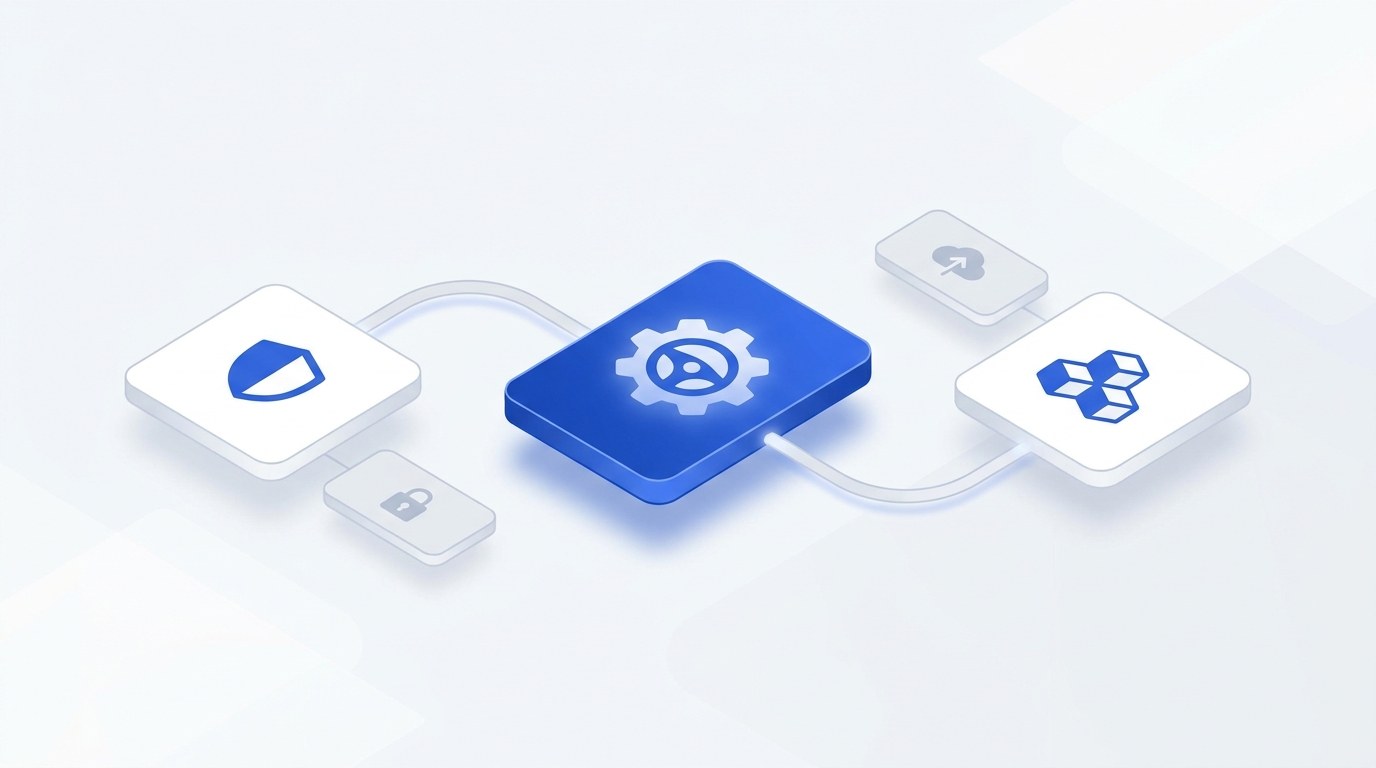
The Three Paths Side by Side
| Path | Cost | Time to visible change | Best fit | Main risk |
|---|---|---|---|---|
| Keep and fix | $0 to $2,500 one time | 4 to 8 weeks | Most owners with admin access | Doing half the pages and stopping |
| Rebuild | $3,000 to $12,000 | 3 to 5 months | Locked platforms, text as images | New site, same missing content |
| Take back control | $10 to $20 transfer fee | 5 to 10 business days | Vendor or franchisor holds assets | Waiting instead of asking in writing |
The Ownership Check: Four Logins
Ten minutes, private browser window, your own email address. Not your web guy's. Try to sign into each of these yourself:
- The domain registrar. GoDaddy, Namecheap, Cloudflare, wherever the name is registered. This is the one that matters most.
- DNS. Sometimes the same account, often a separate Cloudflare login your vendor set up years ago.
- Hosting and CMS admin. The place the files live and the place you publish pages.
- Google Business Profile. Check you are listed as primary owner, not a manager. Managers can be removed by the owner at any time.
A dental practice in Phoenix I worked with held three of the four and had no idea the domain sat in an agency account from 2017. Nothing was wrong until the day they wanted to change vendors. Find out on a quiet Tuesday rather than during a fight.
When a Vendor or Franchisor Holds the Keys
Ask in writing. One email: please remove the registrar lock on the domain and send the EPP authorization code so I can move it to my own registrar account, and confirm by a date about a week out. Most vendors do it without argument, because holding a client domain hostage is a reputation problem they do not want. The transfer itself takes 5 to 10 business days.
If they go quiet, escalate to the registrar with proof you paid for the domain, then to an ICANN transfer complaint. While that runs, claim your Google Business Profile as primary owner, since it is separate from the website and often recoverable inside a week. That profile alone carries a large share of local AI citations.
Franchisees are a different case. You will not get the corporate domain and should not try. Push instead for a real location page with your address, hours, phone, team and service list, then own everything outside the site. None of this requires firing your current vendor. If you are on your third agency and gun shy, read how to set the next one up so you can judge it with evidence and the three questions your current one should answer in ten minutes.
The Pages AI Reads and the Ones It Skips
Four things carry almost all the weight. One page per service, titled the way customers say it out loud, not the way your industry writes it on an invoice. One page per city or area you serve, with genuinely different content on each, because swapped city names on identical copy gets treated as one page. An FAQ page answering what people actually ask before they call. LocalBusiness schema whose details match your Google Business Profile exactly.
What gets skipped: your company history, the mission statement, the welcome message, the stock photo carousel. A restoration company in Wisconsin cut its homepage word count in half, added eleven service and area pages, and started appearing in ChatGPT answers inside six weeks. Same domain, same theme, same host.
What Each Path Costs
Doing the cleanup yourself costs nothing but time, roughly 10 to 20 hours across a month. Hiring the same cleanup as a one time project runs $800 to $2,500. Ongoing AI search work sits at $800 to $3,000 per month depending on how many services and locations you cover, which I break down further in what AI search optimization actually costs in 2026.
A rebuild for a small local business runs $3,000 to $12,000, and custom work goes past $15,000. Worth saying plainly: that spend changes nothing about citations by itself. A new site with the same three pages performs exactly like the old site with the same three pages.
A 30 Day Plan Without a Rebuild
Week one: run the four login check and get anything missing moved into your name. Week two: ask ChatGPT the five questions a customer would ask before hiring you, and write down who it names. Week three: write the missing service and area pages. Week four: fix the schema, match it to your Google Business Profile, then re run the same five questions and compare.
If you want the ownership audit and the baseline done for you before you commit to anything, book a call and we will go through both on the same call.
Frequently Asked Questions
Do I need a new website to show up in ChatGPT?
In almost every case, no. AI assistants read the text on your pages, your structured data, your Google Business Profile, and third party listings. None of those care what year the site was built or which template it uses. I have seen 2018 WordPress sites get cited daily and brand new custom builds get ignored completely. Three things actually change citation rate: service pages that match how customers phrase the problem, location pages with genuinely different content per area, and LocalBusiness schema that matches your Google Business Profile exactly. All three can be added to the site you already own. If someone says a rebuild is required first, ask which specific signal your current site cannot carry.
How do I find out who actually owns my domain?
Run a WHOIS lookup on your domain and read the registrant and admin contact. If it shows your name and email, you own it. If it shows your web company, a marketing agency, or a privacy proxy you did not set up, you probably do not. Then check four things separately: your registrar, your DNS provider, your hosting account, and your CMS admin, each with your own email in a private browser window. Ownership is not one login, it is four. Plenty of owners find they hold the CMS password but not the domain, which is the one that matters most. Do this before spending anything on a redesign.
My web vendor built the site and will not give me the login. What can I do?
Start with a written request, not a phone call. Email them: please remove the registrar lock on the domain and send the EPP authorization code so I can transfer it to my own registrar account, and confirm by a date about a week out. Most vendors comply, because refusing looks bad and often breaches their own terms. If they go quiet, escalate to the registrar directly with proof you paid, then to an ICANN transfer complaint if needed. Meanwhile claim your Google Business Profile as primary owner today, since that is separate from the website and can usually be recovered within a week. Keep everything in writing. It changes how fast people respond.
What does it cost to fix an existing site versus rebuild it?
Fixing a site you already control runs $0 if you write the pages yourself, or roughly $800 to $2,500 as a one time cleanup if you hire it out. That covers missing service pages, location pages, schema markup, and a Google Business Profile match. Ongoing AI search work sits at $800 to $3,000 per month depending on how many locations and services you cover. A full rebuild for a small local business runs $3,000 to $12,000, and custom builds go past $15,000. A domain transfer costs one year of renewal, usually $10 to $20. Order matters: cleanup first, rebuild only if the platform blocks the work.
I am a franchisee and corporate controls the website. Can I still show up in AI search?
Often yes, with a smaller surface area. You usually cannot change the corporate site and should not fight that battle. What you can control: your Google Business Profile, which belongs to your location rather than corporate, your reviews, your local directory listings, and any location page corporate lets you edit. Push for a real page for your unit with address, hours, phone, staff names and service list instead of a generic template. Some franchisees run a separate local domain where the agreement allows it, so read yours first because many prohibit it. Even with only the profile and listings, franchise locations do get cited when the data is consistent everywhere.
Does Wix, Squarespace, GoDaddy or WordPress matter for AI search?
The platform barely matters. What matters is whether it lets you add pages, edit titles and meta descriptions, insert schema markup, and load fast on mobile. WordPress, Webflow, Squarespace, Wix and Shopify all clear that bar in 2026. The platforms that cause real trouble are locked proprietary builders sold by marketing agencies, where you cannot add a page without paying them, and page builders that render your text as images so nothing readable exists for a crawler to pick up. If your platform blocks page creation or hides your words inside graphics, that is a genuine reason to move. Being on an unfashionable stack is not.
How long after fixing the site before AI assistants pick up the changes?
Expect four to twelve weeks for meaningful change, not days. Crawlers have to find the new pages, indexes have to update, and the models refresh retrieval on their own schedule. Google Business Profile edits move fastest, often within a week. New service and location pages usually start appearing in AI answers around week four to six once indexed. Schema changes take effect as soon as the page is recrawled, then compound as the rest of your data lines up. Run the same five customer questions in ChatGPT before you start, again at day 30, and again at day 60. If nothing has shifted by day 60, something is broken rather than slow.
Should I fire my current web company over this?
Usually not, and this is the part people get wrong. Ownership problems and slow results are two different complaints. Sort ownership first, in writing, and you keep the relationship intact while removing the risk. Plenty of web companies hold domains out of habit rather than strategy and hand them over the same week you ask. If they refuse, that tells you something worth knowing, and you make the decision with evidence instead of frustration. The same logic applies to your SEO vendor. Ask what they shipped, ask for the login list, judge the answers. Adding AI search work alongside an existing vendor is normal and does not require anyone getting fired.
Find out whether your site is the problem
We will check who owns your domain, run your five customer questions through ChatGPT, and tell you honestly whether a rebuild is needed. Most of the time it is not.
Book a call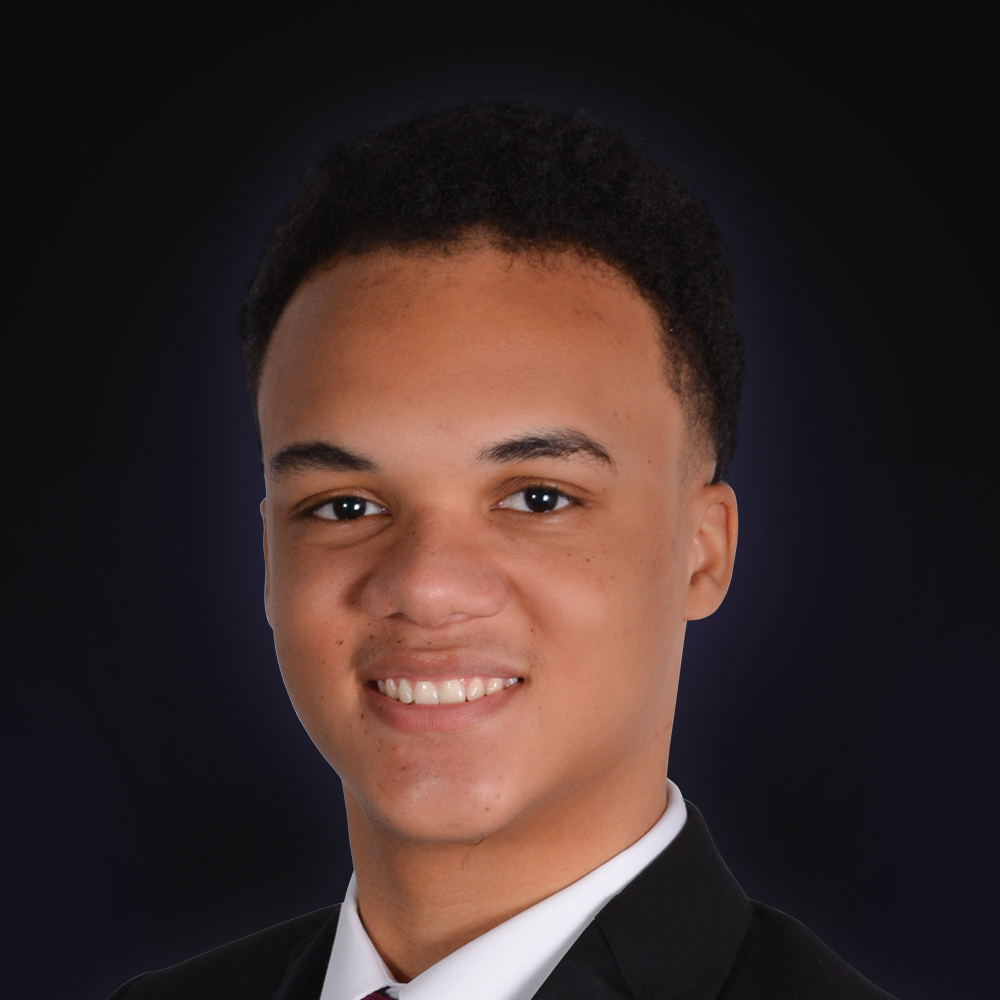
About the author
Matthew Johnson is the founder of Pleiades Consultancy. He previously scaled his own marketing agency to multiple six figures before serving as CMO of an Amazon agency, where the client base tripled from 15 to 45 active clients during his tenure. He worked with some of the largest names in e-commerce, including Ridge Wallet, HexClad, BK Beauty, The Woobles, Walkize, Lonely Planet, and Obvi. He now works with local businesses to maximize their client acquisition and visibility through AI search with ChatGPT, Claude, Gemini, Perplexity, and Bing Copilot.